Multimodal AI: The Next Frontier of Artificial Intelligence
Introduction
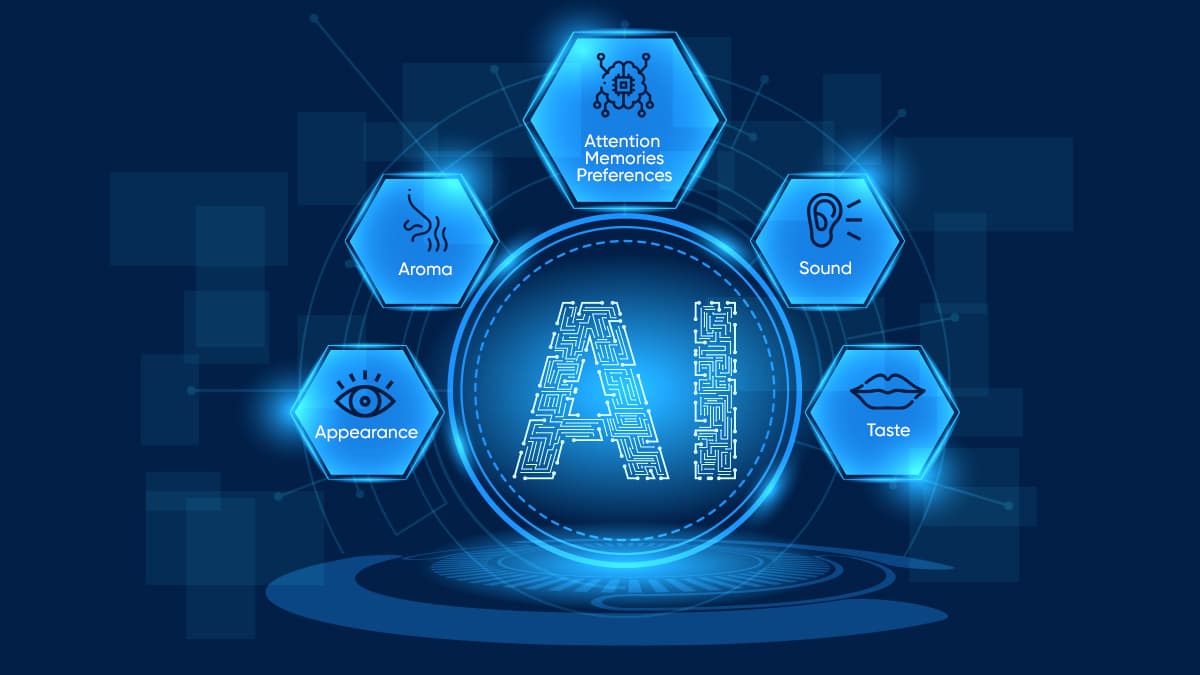
Artificial Intelligence (AI) has made incredible strides in the past decade. We’ve seen AI models generate human-like text, create stunning images, transcribe speech, and even compose music. Yet, for a long time, these abilities existed in isolation. Language models worked with text, image generators handled visuals, and speech recognition systems processed audio. But the real world isn’t one-dimensional — humans constantly process multiple senses simultaneously. This is where multimodal AI comes in, combining multiple forms of data to create more intelligent, context-aware systems.
In 2025, multimodal AI is not just a research concept — it’s powering everyday applications, from smarter chatbots and virtual assistants to autonomous vehicles and healthcare diagnostics. This technology is shaping the next era of human-computer interaction.
What is Multimodal AI?
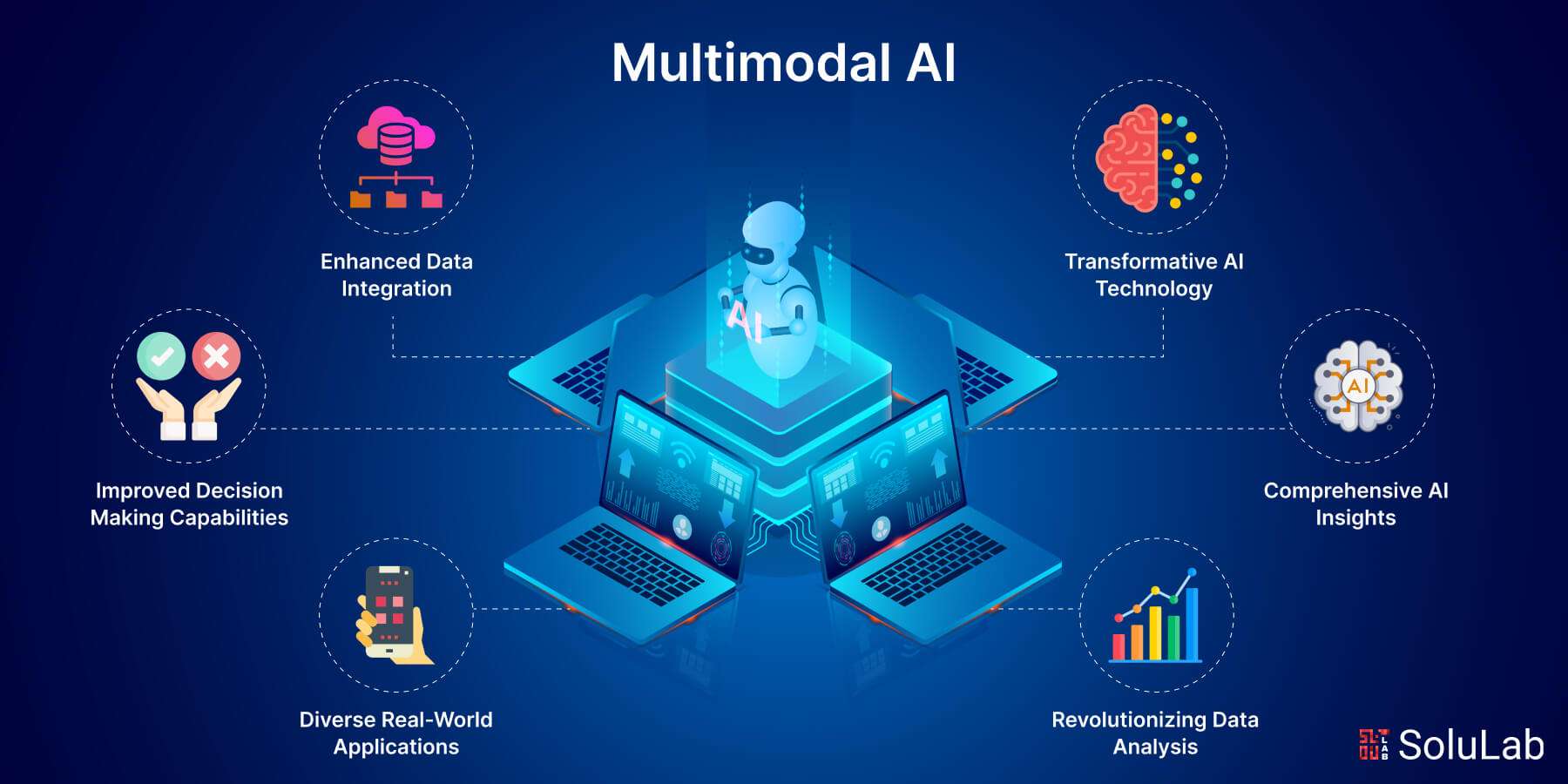
Multimodal AI refers to artificial intelligence systems that can process, understand, and generate information across multiple data types or “modalities” — such as text, images, audio, video, and even sensor data — simultaneously.
For example:
-
A multimodal chatbot could answer a question by reading a text prompt, analyzing an attached image, and generating a relevant response.
-
A medical AI could process a doctor’s notes (text), analyze X-ray scans (images), and listen to patient symptoms (audio) to provide a more accurate diagnosis.
By integrating multiple input types, multimodal AI can better mimic how humans understand the world — using sight, sound, and language together.
How Multimodal AI Works
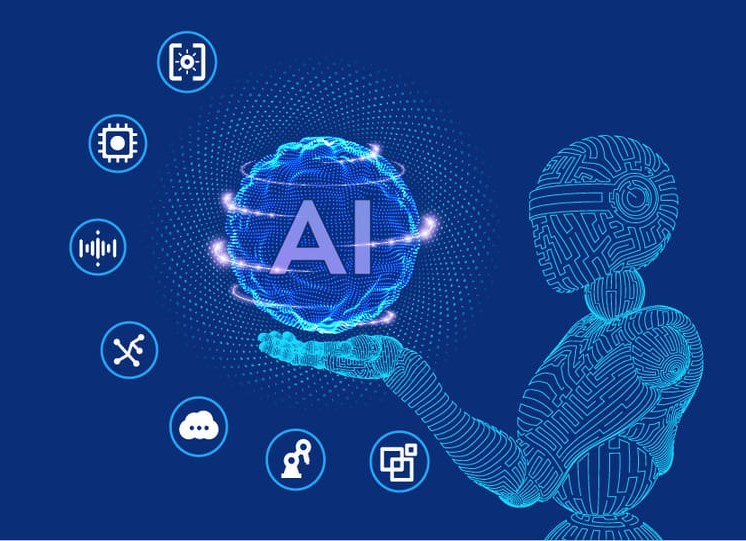
While single-modal AI models specialize in one type of data, multimodal AI combines multiple neural network architectures into a unified model. It works through:
-
Data Encoding
Each type of input — text, image, audio — is converted into a mathematical representation (embeddings) that the model can understand. -
Feature Alignment
The model aligns features from different modalities so they can be processed together. For instance, it might align an image’s visual features with descriptive words. -
Cross-Modal Learning
The AI learns connections between different data types. For example, it could link the image of a “cat” with the word “cat” and the sound of a meow. -
Output Generation
The system can then generate results in one or more formats — answering with text, producing an image, or generating speech.
Key Technologies Behind Multimodal AI
Multimodal AI relies on several innovations:
-
Transformer Models (like GPT, BERT, and CLIP) that handle sequential data and cross-modal attention.
-
Vision-Language Models (VLMs) such as OpenAI’s CLIP and Google’s PaLM-E that connect text and image understanding.
-
Speech-Language Models like Whisper that integrate audio with language processing.
-
Foundation Models — large, pre-trained models that can be fine-tuned for multiple modalities.
Real-World Applications of Multimodal AI in 2025
1. Smarter Virtual Assistants
Voice assistants like Siri, Alexa, and Google Assistant are becoming truly multimodal, understanding not just voice commands but also visual cues. Imagine holding your phone camera up to a recipe and asking your assistant to read the steps aloud while highlighting ingredients.
2. Healthcare Diagnostics
Multimodal AI can combine medical imaging (MRI scans, X-rays), patient history, and spoken symptoms to help doctors make more accurate decisions. This is already happening in early cancer detection and telemedicine consultations.
3. E-Commerce and Retail
Retailers are integrating multimodal AI to improve product search. For example, you could upload a photo of a handbag, describe the color you want, and the AI would find the closest match in the store catalog.
4. Autonomous Vehicles
Self-driving cars process camera footage, LiDAR sensor data, GPS coordinates, and audio cues in real time. Multimodal AI helps these systems better understand complex traffic environments.
5. Education
AI tutors can combine visual diagrams, spoken explanations, and written notes to adapt to different learning styles, making education more inclusive.
6. Creative Industries
Artists, musicians, and filmmakers use multimodal AI tools to generate storyboards from scripts, compose music based on emotions in text, or create entire films from mixed media prompts.
Advantages of Multimodal AI
-
Better Context Understanding — By combining multiple data sources, the AI gains a richer understanding of situations.
-
More Human-Like Interaction — Multimodal AI mirrors human sensory processing, making interactions feel natural.
-
Increased Accuracy — Cross-referencing different modalities can reduce errors.
-
Broader Use Cases — Enables solutions that were impossible with single-modal AI.
Challenges in Multimodal AI
Despite its promise, multimodal AI faces several hurdles:
-
Data Alignment Issues — Collecting well-labeled, synchronized datasets across different modalities is complex.
-
High Computational Costs — Processing multiple data types requires significant computing power.
-
Bias and Fairness — Multimodal datasets can inherit biases from multiple sources, amplifying ethical concerns.
-
Model Interpretability — Understanding how the model processes multiple modalities remains challenging for researchers.
The Future of Multimodal AI
Looking ahead, we can expect:
-
More Integrated Everyday Devices — Cameras, microphones, and text-processing systems working together in wearables, AR/VR, and IoT.
-
Universal Multimodal Models — One AI model capable of handling text, images, audio, video, and even 3D data seamlessly.
-
Better Human-AI Collaboration — Tools that understand and respond to humans in richer, more intuitive ways.
-
Cross-Industry Adoption — From agriculture to space exploration, multimodal AI will revolutionize how industries operate.
Conclusion
Multimodal AI represents a major leap forward in the evolution of artificial intelligence. By merging vision, language, audio, and other sensory inputs, it allows machines to perceive the world more like humans do. From improving medical diagnoses to powering next-generation virtual assistants, the possibilities are vast. However, to unlock its full potential, researchers and developers must address challenges around data, bias, and computational efficiency.
As we step into the next phase of AI development, multimodal AI is set to become the backbone of more natural, intelligent, and human-like machine interactions — bridging the gap between humans and technology.
https://bitsofall.com/voice-ai-startups-to-watch-in-2025/
How Teachers Use AI to Grade Papers: Transforming Education with Smart Technology