Physical AI: Bridging the Gap Between Artificial Intelligence and the Physical World
Introduction
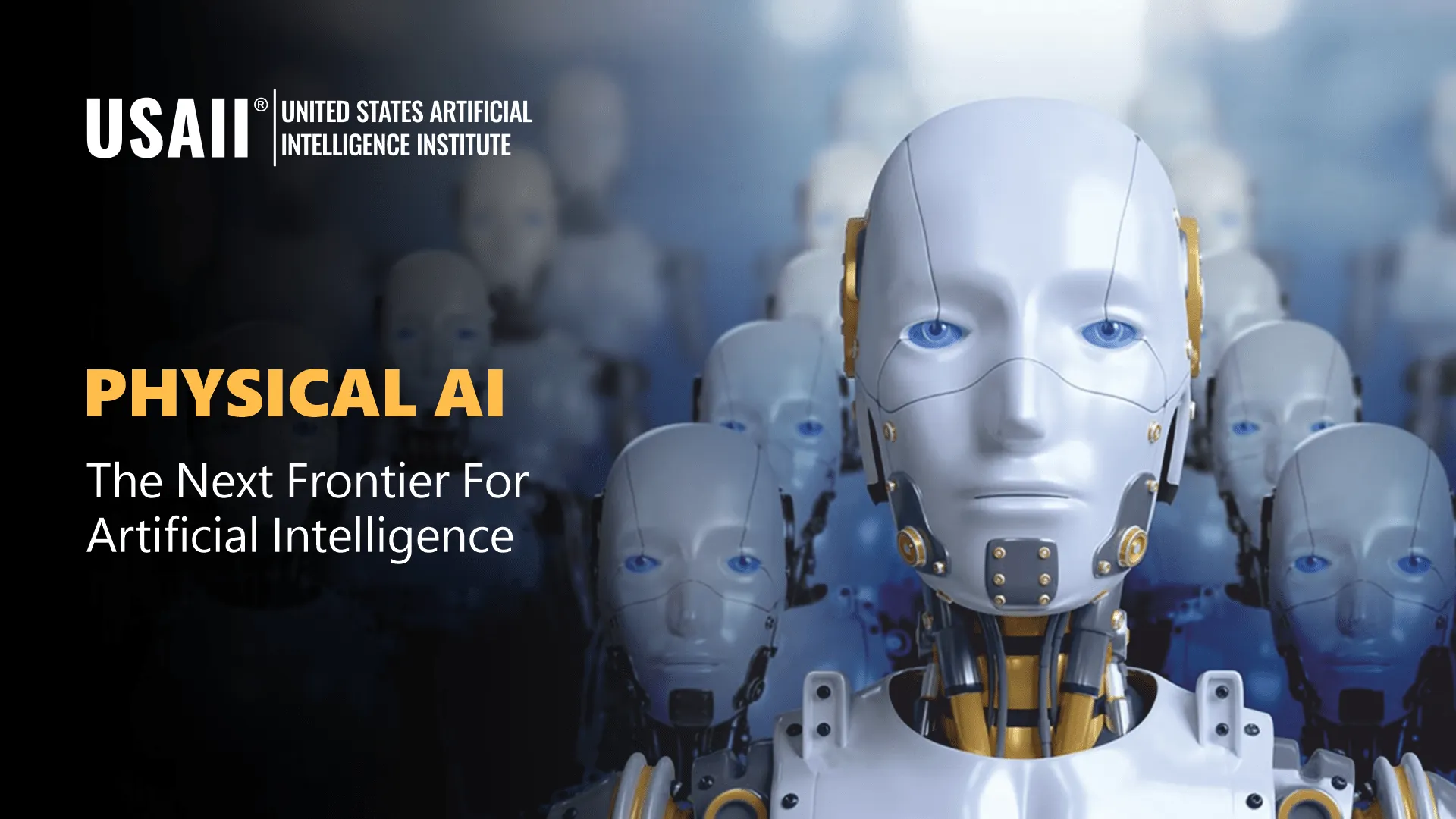
Artificial Intelligence (AI) is no longer just about algorithms running on servers, crunching data, and generating predictions. While software-based AI has transformed industries like healthcare, finance, marketing, and education, a new frontier is emerging—Physical AI. Unlike traditional AI, which lives in the digital realm, Physical AI manifests itself in robots, autonomous machines, prosthetics, drones, and intelligent materials that interact with the real world.
Physical AI represents the convergence of AI, robotics, materials science, and bioengineering. It is not just about teaching machines to think—it’s about enabling them to move, feel, adapt, and exist in physical environments alongside humans. From soft robots inspired by octopuses to AI-driven exoskeletons that enhance human mobility, Physical AI is redefining how technology integrates with everyday life.
This article explores the foundations of Physical AI, how it works, its current applications, challenges, and what the future might hold.
What is Physical AI?
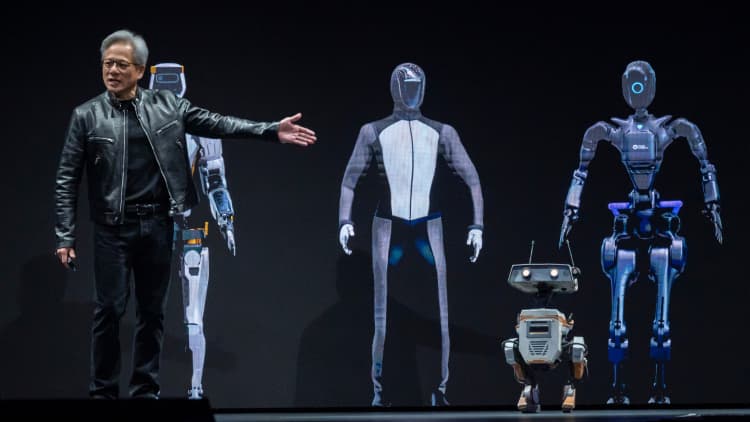
Physical AI refers to the embodiment of artificial intelligence in physical entities that can perceive, interact with, and adapt to the environment. Unlike purely digital AI (e.g., chatbots, recommendation systems, or image recognition software), Physical AI brings intelligence into tangible, interactive forms.
Key features of Physical AI include:
-
Embodiment: AI is integrated into a physical form such as a robot, drone, or wearable device.
-
Sensing: Machines are equipped with sensors (vision, touch, sound, chemical) to perceive the environment.
-
Actuation: They can perform actions—grasping objects, walking, flying, swimming, or manipulating materials.
-
Adaptation: Using machine learning, they adjust to changing conditions.
-
Interaction: They communicate with humans and other machines naturally.
In essence, Physical AI is about closing the gap between intelligence and physical action.
Foundations of Physical AI
Physical AI sits at the intersection of multiple disciplines:
-
Artificial Intelligence – Provides reasoning, perception, and decision-making.
-
Robotics – Offers hardware structures, mobility, and physical capabilities.
-
Neuroscience and Biology – Inspire bio-mimetic designs (like soft robotics modeled after organisms).
-
Materials Science – Enables the creation of soft, flexible, and adaptive bodies.
-
Human-Machine Interaction – Ensures safe and seamless cooperation with people.
This convergence has given rise to fields such as cognitive robotics, embodied AI, and biohybrid machines, each contributing to the Physical AI ecosystem.
Examples of Physical AI in Action
1. Soft Robotics
Unlike rigid industrial robots, soft robots made from silicone or polymers mimic biological organisms like worms, octopuses, and jellyfish. They are flexible, adaptive, and safer for human interaction. Physical AI powers their movements and responses.
Applications:
-
Minimally invasive surgery tools.
-
Grippers that handle fragile goods like fruits.
-
Search-and-rescue robots navigating debris.
2. Prosthetics and Exoskeletons
AI-powered prosthetics learn the wearer’s motion patterns and adapt in real-time, allowing smoother, more natural movement. Exoskeletons use Physical AI to help people with mobility impairments walk again or to augment worker strength in factories.
Example: Companies like Össur and Ekso Bionics are integrating machine learning into wearable robotic systems.
3. Drones and Autonomous Vehicles
Physical AI is the brain behind self-driving cars, delivery drones, and autonomous ships. These machines perceive their environment with cameras, LiDAR, and radar, then make decisions in real time.
Example: Amazon Prime Air uses autonomous drones for package delivery.
4. Healthcare Robots
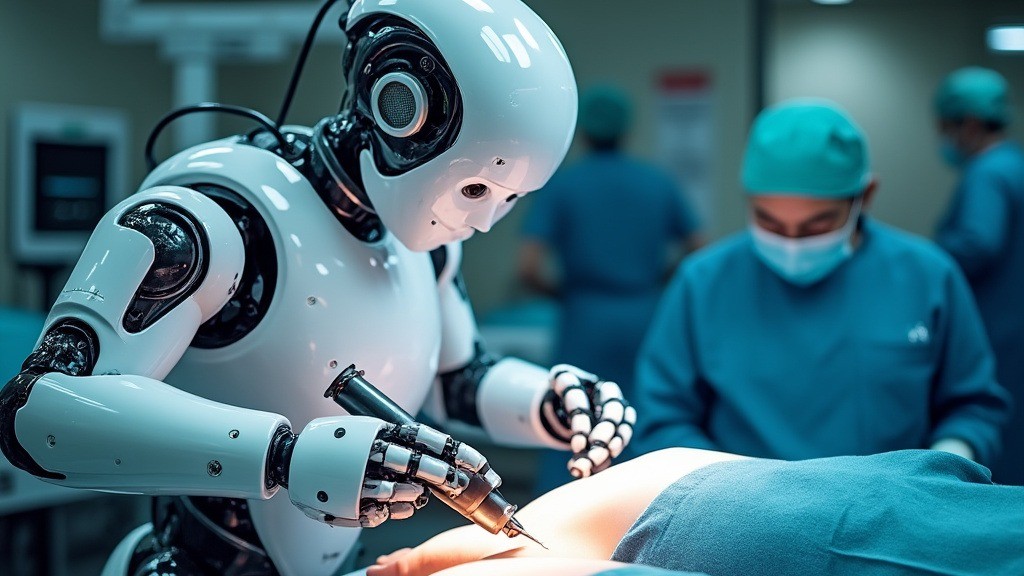
AI-driven robotic nurses, surgical assistants, and rehabilitation devices are emerging. Physical AI enables them to understand patient needs, assist in operations, or provide physical therapy.
Example: Da Vinci surgical system, powered by intelligent robotics, assists doctors in precision surgeries.
5. AI-Powered Humanoids
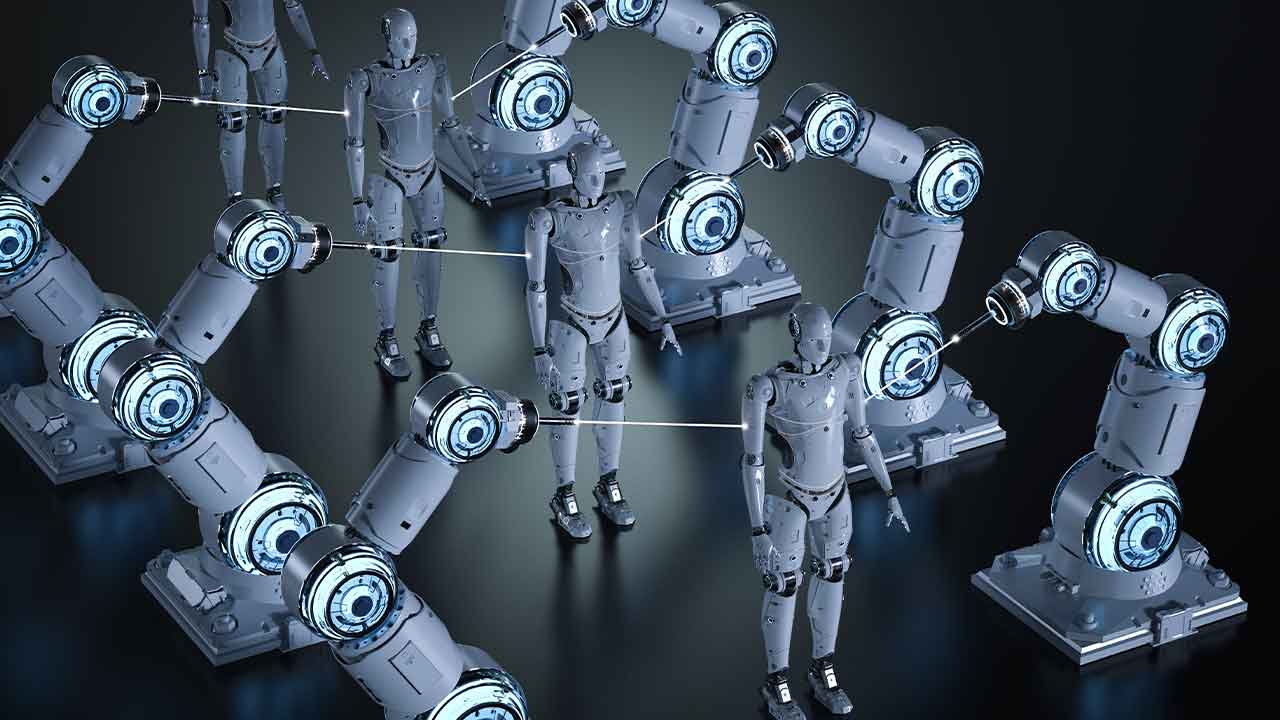
Humanoids like Boston Dynamics’ Atlas or Tesla’s Optimus showcase Physical AI at its peak—robots that walk, run, lift, and even interact socially. These are still in early stages but could redefine labor and companionship.
How Physical AI Works
The functioning of Physical AI can be broken down into four layers:
-
Perception Layer – Sensors (visual, tactile, audio, thermal, chemical) gather real-world data.
-
Cognition Layer – Machine learning algorithms interpret data, reason, and make decisions.
-
Action Layer – Actuators, motors, and soft robotic structures perform actions.
-
Learning Layer – Continuous reinforcement learning adapts behaviors to new conditions.
For example, a warehouse robot equipped with Physical AI perceives boxes with cameras, decides the optimal way to lift, adjusts grip pressure via sensors, and learns over time to become more efficient.
Advantages of Physical AI
-
Human-AI Symbiosis – Augments human capabilities instead of replacing them.
-
Versatility – Works in dynamic, unpredictable environments.
-
Safety – Soft robotics reduce risk in human interaction.
-
Autonomy – Less reliance on constant human supervision.
-
Innovation Catalyst – Inspires new business models in healthcare, logistics, and industry.
Challenges in Physical AI
Despite its potential, Physical AI faces several roadblocks:
-
Energy Efficiency – Powering mobile robots and prosthetics is a major limitation.
-
Material Durability – Soft robots and biohybrid systems are prone to wear.
-
Ethical Concerns – Human replacement fears, safety risks, and autonomy debates.
-
Cost – Developing and scaling Physical AI devices remains expensive.
-
Complexity of Real World – Unlike controlled digital environments, the physical world is chaotic.
Ethical and Social Implications
Physical AI raises critical questions:
-
Job Displacement: Could humanoids or exoskeletons replace workers?
-
Human Safety: How do we ensure machines don’t harm people accidentally?
-
Privacy: Drones and autonomous systems raise surveillance concerns.
-
Responsibility: Who is accountable when a Physical AI system makes a harmful decision?
Policymakers, ethicists, and engineers must collaborate to set frameworks for safe adoption.
The Future of Physical AI
The next decade will see Physical AI evolve rapidly. Key trends include:
-
Biohybrid Systems – Machines integrated with living cells or tissues, blurring lines between biology and robotics.
-
Smart Materials – Self-healing, shape-shifting materials for adaptive machines.
-
Swarm Robotics – Multiple small AI robots working collectively (like ants).
-
Personalized Prosthetics – AI-driven devices tailored to each individual’s body and needs.
-
Domestic Robots – Household assistants that cook, clean, and care for the elderly.
By 2035, Physical AI could be as ubiquitous as smartphones today, powering everything from autonomous construction to personal robotic companions.
Conclusion
Physical AI is more than just robotics with intelligence—it’s a paradigm shift where machines don’t just think, but live in our physical world, learn, and adapt. It represents the ultimate fusion of AI and embodiment, opening doors to possibilities once confined to science fiction.
From soft robots in healthcare to exoskeletons in factories, Physical AI is set to transform industries, redefine human-AI relationships, and challenge our ethical frameworks. While challenges like energy efficiency, ethics, and costs remain, the trajectory is clear: Physical AI will shape the future of how humans and machines coexist.
In the end, the promise of Physical AI is not to replace humanity, but to enhance human potential—giving us tools, companions, and co-workers that extend the boundaries of what we can achieve.
For quick updates, follow our whatsapp –
https://whatsapp.com/channel/0029VbAabEC11ulGy0ZwRi3j
https://bitsofall.com/https-yourblog-com-building-ai-agents-is-5-ai-and-100-software-engineering/
https://bitsofall.com/h-company-releases-holo1-5-redefining-the-future-of-holographic-intelligence/
MIT’s LEGO: How Bricks Spark Innovation, Education, and Research
Top Computer Vision (CV) Blogs & News Websites — 2025 edition