Early Disease Diagnosis App: How AI-Powered Health Apps Are Transforming Preventive Healthcare
Introduction: From Reactive to Preventive Healthcare
For decades, healthcare systems around the world have largely followed a reactive model—patients seek medical help only after symptoms become severe. This approach often leads to late diagnoses, higher treatment costs, and reduced chances of recovery. Today, however, technology is rewriting this narrative.
An Early Disease Diagnosis App represents a powerful shift toward preventive and predictive healthcare, enabling individuals to detect potential health issues before they escalate into life-threatening conditions. Powered by artificial intelligence (AI), machine learning (ML), and real-time health data, these apps are transforming smartphones into personal health sentinels.
From monitoring subtle changes in heart rhythm to identifying early signs of diabetes, cancer, neurological disorders, or infectious diseases, early diagnosis apps are redefining how we interact with healthcare—making it proactive, personalized, and accessible.
What Is an Early Disease Diagnosis App?
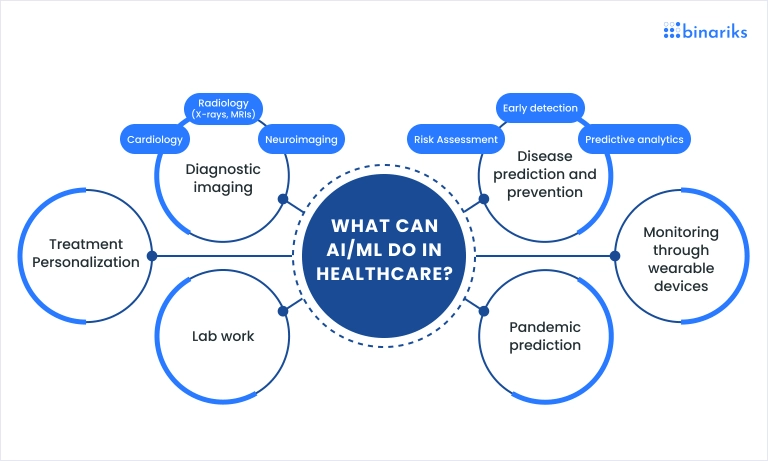
An Early Disease Diagnosis App is a digital health application designed to analyze user health data, detect anomalies, and predict disease risks at an early stage. These apps rely on a combination of:
-
AI and ML algorithms
-
Wearable device data
-
Medical imaging analysis
-
Symptom tracking
-
Electronic health records (EHRs)
-
Lifestyle and behavioral data
Instead of replacing doctors, these apps act as decision-support systems, alerting users and clinicians when early warning signs appear.
Why Early Diagnosis Matters
Early diagnosis can dramatically improve healthcare outcomes. According to global health studies and guidelines from organizations like World Health Organization, early detection:
-
Increases survival rates (especially in cancer and cardiac diseases)
-
Reduces long-term healthcare costs
-
Minimizes invasive treatments
-
Improves quality of life
-
Enables lifestyle interventions instead of medication
For example, detecting prediabetes early can prevent full-blown diabetes through diet and exercise alone. Similarly, identifying irregular heart rhythms early can prevent strokes or heart failure.
Core Technologies Behind Early Disease Diagnosis Apps
1. Artificial Intelligence & Machine Learning
AI models are trained on millions of medical data points—including lab reports, imaging scans, and historical patient outcomes. These models learn to recognize patterns invisible to the human eye.
Machine learning enables apps to:
-
Continuously improve accuracy
-
Personalize predictions per user
-
Reduce false positives over time
2. Wearable and Sensor Integration
Most early diagnosis apps integrate seamlessly with wearables and platforms like Apple Health and Google Fit.
These devices track:
-
Heart rate variability
-
Blood oxygen (SpO₂)
-
Sleep patterns
-
Physical activity
-
Stress levels
Subtle deviations in these metrics can signal early disease onset.
3. Medical Imaging & Computer Vision
Some advanced apps analyze:
-
X-rays
-
MRIs
-
CT scans
-
Skin lesion images
Using computer vision, these apps can detect early-stage tumors, lung abnormalities, or dermatological conditions with near-clinical accuracy.
4. Natural Language Processing (NLP)
NLP enables apps to understand:
-
User-reported symptoms
-
Doctor’s notes
-
Medical history
By combining textual data with sensor inputs, the app forms a holistic health profile.
Key Features of an Early Disease Diagnosis App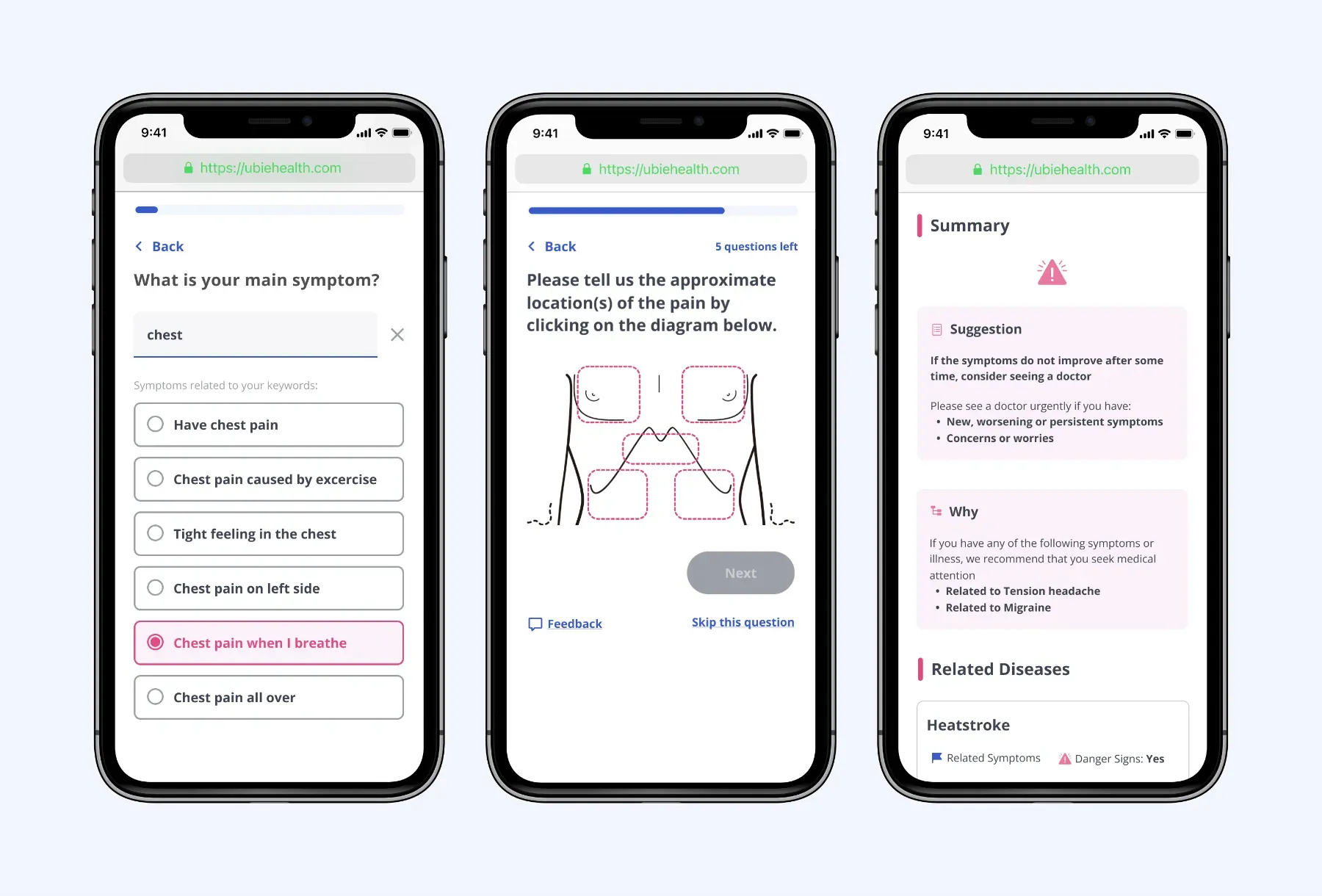
Unlike basic symptom checkers, AI-powered systems evaluate:
-
Symptom combinations
-
Frequency and severity
-
Historical patterns
This reduces misdiagnosis and unnecessary panic.
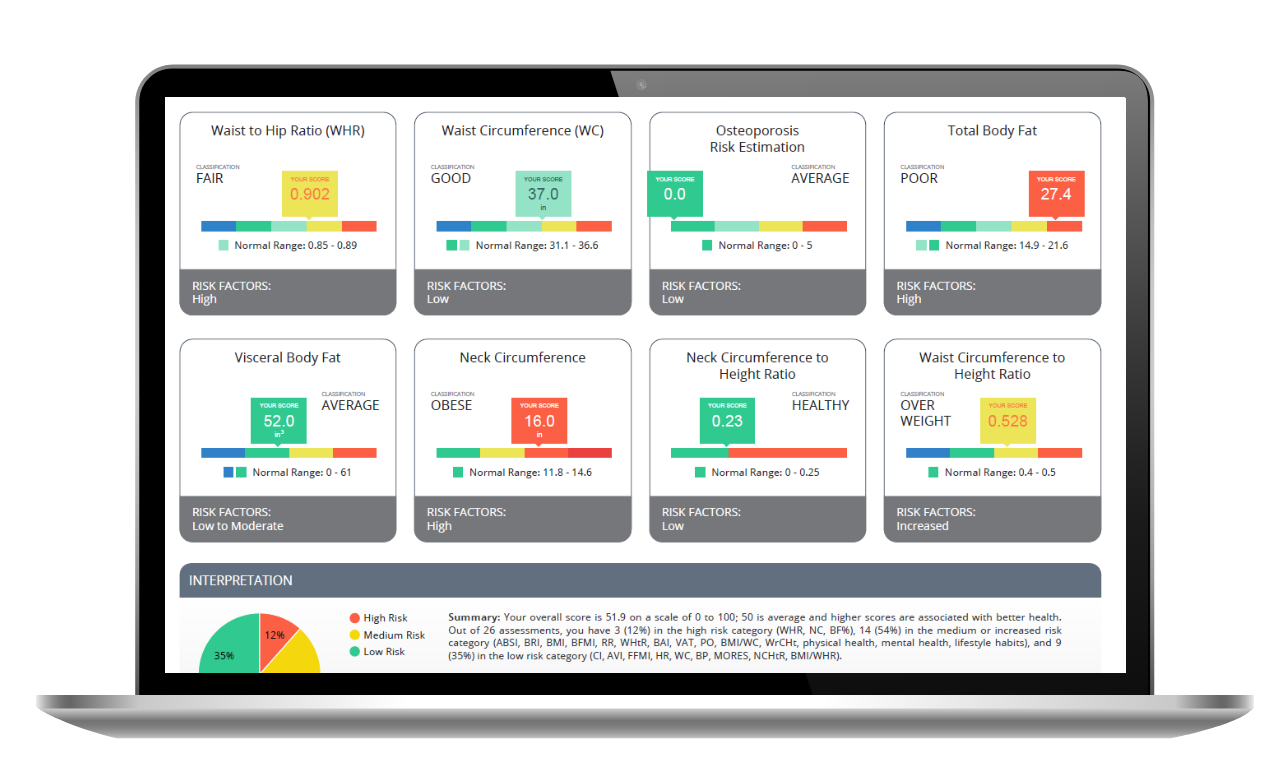
2. Risk Prediction & Health Scoring
Users receive risk scores for conditions such as:
-
Cardiovascular disease
-
Diabetes
-
Respiratory disorders
-
Mental health conditions
These scores update dynamically as new data is collected.
3. Continuous Monitoring
Instead of one-time assessments, the app:
-
Monitors users 24/7
-
Detects gradual health changes
-
Sends real-time alerts
This is particularly valuable for elderly users and chronic patients.
4. Personalized Health Insights
The app provides:
-
Lifestyle recommendations
-
Diet and exercise suggestions
-
Sleep optimization tips
All insights are personalized based on the user’s biology and habits.
5. Doctor & Telemedicine Integration
Many apps integrate with telehealth platforms, enabling:
-
Instant doctor consultations
-
Data sharing with clinicians
-
Faster medical interventions
Diseases Commonly Detected Early Using These Apps
Cardiovascular Diseases
Irregular heartbeats, hypertension trends, and early signs of heart failure can be detected using wearable data and ECG analysis.
Diabetes & Metabolic Disorders
Apps track glucose trends, weight changes, and insulin sensitivity markers to identify prediabetes early.
Cancer (Early Screening Support)
While not diagnostic tools, some apps assist in detecting early warning signs in:
-
Skin cancer
-
Breast cancer
-
Lung abnormalities
Neurological Disorders
Subtle changes in speech, movement, or sleep patterns can signal early-stage Parkinson’s or Alzheimer’s disease.
Mental Health Conditions
Apps analyze:
-
Sleep quality
-
Activity levels
-
Mood inputs
to flag early signs of depression, anxiety, or burnout.
Benefits of Early Disease Diagnosis Apps
1. Accessibility
Anyone with a smartphone can access advanced health insights—bridging gaps in rural and underserved regions.
2. Cost Efficiency
Preventive care is significantly cheaper than long-term treatment and hospitalization.
3. Empowered Patients
Users become active participants in their healthcare journey.
4. Reduced Burden on Hospitals
Early interventions reduce emergency visits and hospital admissions.
Challenges and Limitations
Despite their promise, early diagnosis apps face important challenges:
Data Privacy & Security
Health data is extremely sensitive. Compliance with regulations enforced by bodies like the Food and Drug Administration and GDPR is essential.
Accuracy & Bias
AI models can inherit biases from training data, potentially affecting accuracy across different demographics.
Over-Reliance on Technology
These apps are assistive tools, not replacements for medical professionals.
Regulatory Approval
Not all apps are clinically validated or approved for medical decision-making.
Role of AI Ethics and Responsible Innovation
To build trust, developers must ensure:
-
Transparent AI models
-
Explainable predictions
-
Ethical data usage
-
Human oversight in decision-making
Responsible AI ensures that early diagnosis apps improve lives without compromising safety or equity.
Use Cases: Real-World Impact
-
Rural Healthcare: Early alerts reduce travel and improve access to specialists
-
Elderly Care: Continuous monitoring prevents sudden health crises
-
Corporate Wellness: Employers reduce healthcare costs through early interventions
-
Insurance: Risk-based preventive care models lower claim ratios
The Future of Early Disease Diagnosis Apps
The next generation of apps will include:
-
Multimodal AI models combining genomics, imaging, and lifestyle data
-
Digital twins for personalized disease simulation
-
Integration with smart homes and ambient sensors
-
Federated learning to improve privacy
-
Global health surveillance for early outbreak detection
As AI becomes more sophisticated, these apps will evolve into always-on health companions.
Early Disease Diagnosis Apps in the Indian and Global Context
In countries like India, where doctor-to-patient ratios are low, these apps can:
-
Support primary healthcare workers
-
Reduce late-stage disease diagnoses
-
Improve public health outcomes
Globally, they align perfectly with the shift toward value-based care and population health management.
Conclusion: A Healthier Future Begins Earlier
An Early Disease Diagnosis App is more than a technological innovation—it is a paradigm shift in how we approach health. By detecting diseases before symptoms become severe, these apps save lives, reduce costs, and empower individuals to take control of their well-being.
While challenges remain in accuracy, ethics, and regulation, the trajectory is clear. Early diagnosis apps, powered by AI and data, are becoming indispensable tools in modern healthcare.
The future of medicine is not just about curing diseases—it’s about preventing them before they begin.
For quick updates, follow our whatsapp –https://whatsapp.com/channel/0029VbAabEC11ulGy0ZwRi3j
https://bitsofall.com/deepfake-detection-ai/
https://bitsofall.com/nvidia-nemotron-3-agentic-models/
Amazon Warehouse Robots Using AI-Driven Learning to Handle Diverse Products
Updates to Tesla Optimus: Improved Outdoor Autonomy and Dexterity