Autonomous Systems and Robotics: Revolutionizing the Future of Technology
Introduction
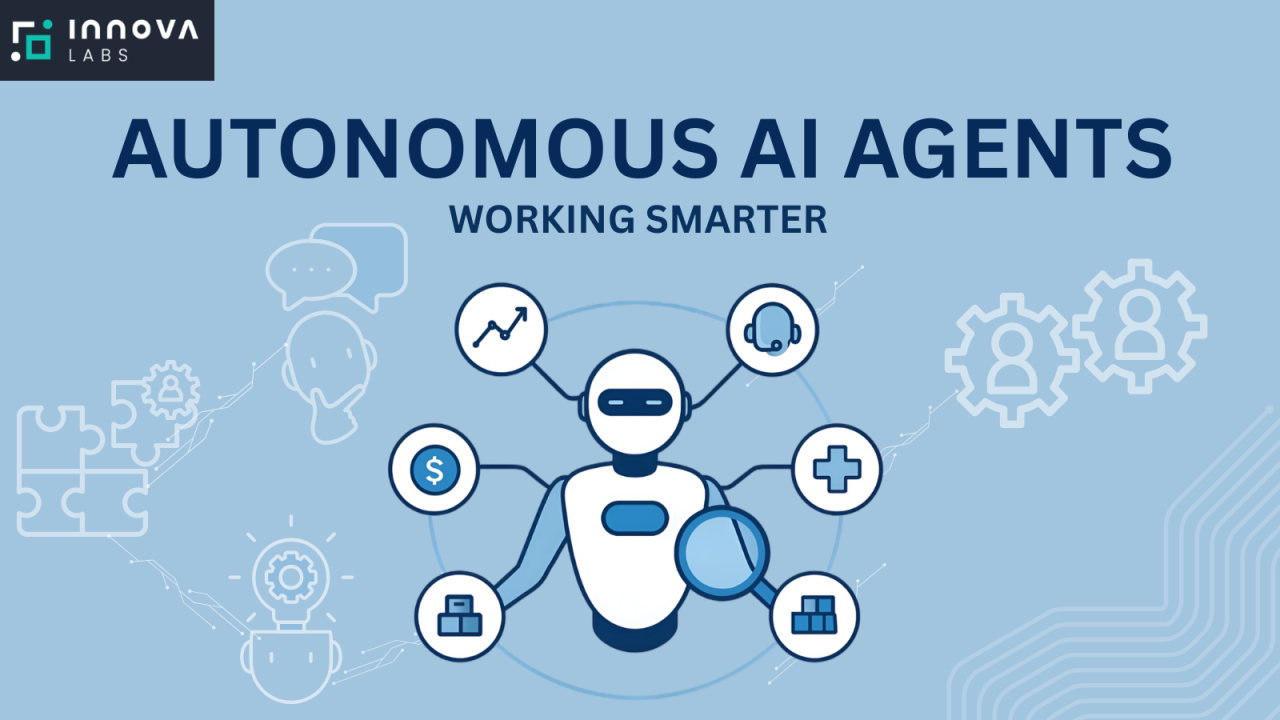
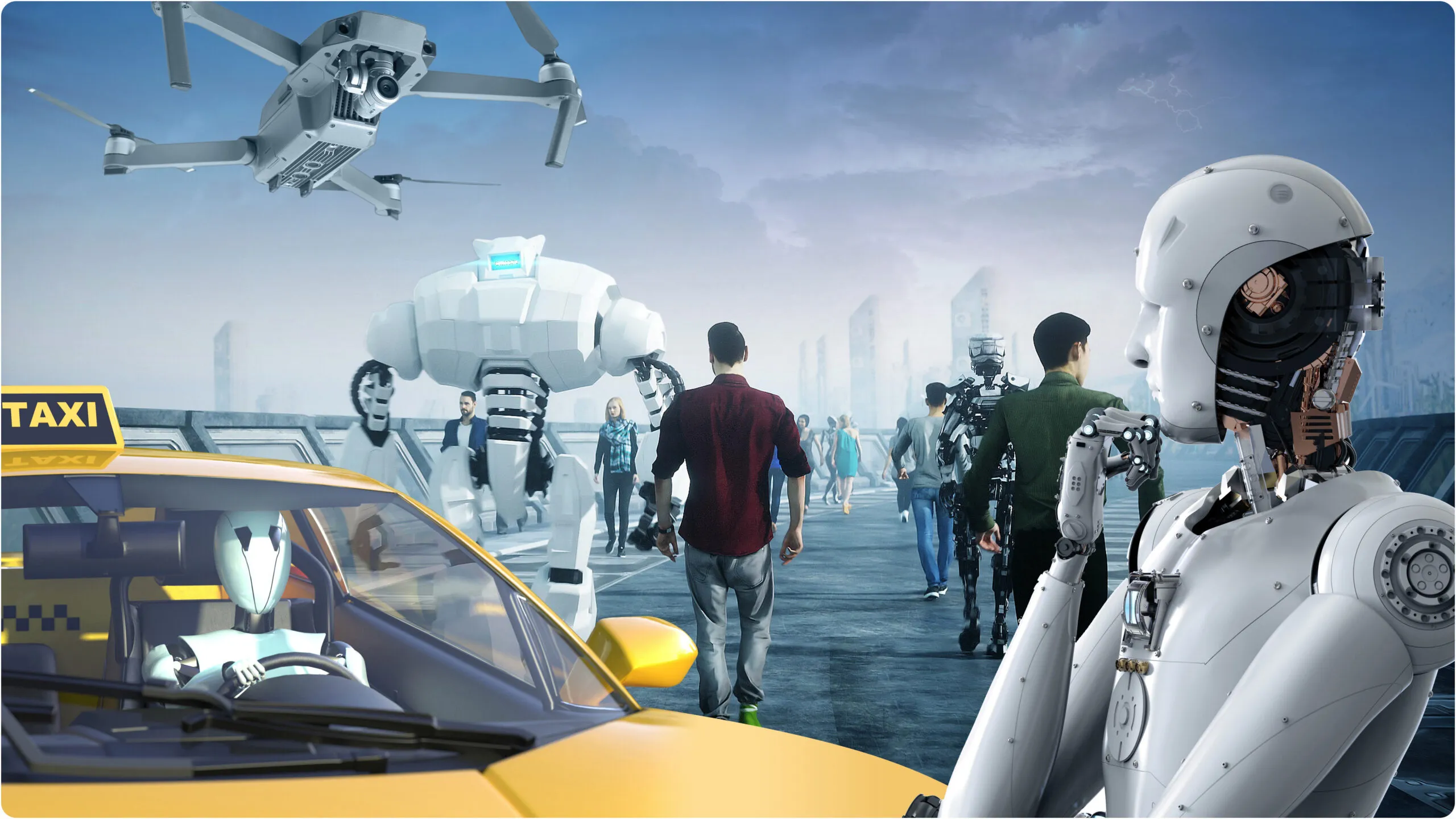
We are living in an era where machines are no longer just tools — they are becoming independent decision-makers. Autonomous systems and robotics are at the heart of this transformation, redefining how industries operate, how products are made, and even how we interact with our surroundings. From self-driving cars and delivery drones to automated manufacturing lines and healthcare robots, these technologies are paving the way for a more efficient and connected world.
In this article, we’ll dive deep into what autonomous systems and robotics are, how they work, the different types, their applications across industries, benefits, challenges, and the exciting future that lies ahead.
1. What Are Autonomous Systems and Robotics?
1.1 Defining Autonomous Systems
An autonomous system is a machine or platform that can perform tasks without direct human intervention. It uses sensors, algorithms, and machine learning to perceive its environment, make decisions, and execute actions. The goal is to reduce or eliminate the need for human control while maintaining safety, efficiency, and accuracy.
Examples:
-
Self-driving cars
-
Industrial automation systems
-
Autonomous drones
1.2 Defining Robotics
Robotics is the branch of engineering and computer science that designs, builds, and operates robots. A robot can be fully autonomous, semi-autonomous, or entirely controlled by humans. Robotics combines mechanics, electronics, computer programming, and artificial intelligence.
Examples:
-
Industrial robots in factories
-
Surgical robots in healthcare
-
Service robots in hospitality
2. How Autonomous Systems and Robotics Work
2.1 Core Components
Autonomous systems and robots typically have:
-
Sensors – To perceive the environment (e.g., cameras, LiDAR, ultrasonic sensors).
-
Processors & Algorithms – To interpret data, make decisions, and plan actions.
-
Actuators – To physically perform tasks, like moving wheels, arms, or grippers.
-
Control Systems – To coordinate all components for smooth functioning.
-
Connectivity – Often connected to cloud systems for updates, data sharing, and monitoring.
2.2 The Role of Artificial Intelligence (AI)
AI is the brain behind autonomy. Machine learning models process sensor inputs, identify patterns, and predict outcomes. This allows systems to adapt to dynamic environments — for example, a delivery drone adjusting its path to avoid unexpected obstacles.
3. Types of Autonomous Systems and Robotics
3.1 Based on Autonomy Level
-
Manual Control – Operated entirely by humans (e.g., remote-controlled drones).
-
Semi-Autonomous – Shares control between human and machine (e.g., autopilot in airplanes).
-
Fully Autonomous – Operates independently without human intervention (e.g., robotic warehouse systems).
3.2 Based on Function
-
Industrial Robots – Assembly line automation, welding, packaging.
-
Service Robots – Customer service, cleaning, hospitality.
-
Medical Robots – Surgery assistance, patient monitoring.
-
Military Robots – Reconnaissance, bomb disposal.
-
Agricultural Robots – Crop monitoring, automated harvesting.
4. Applications Across Industries
4.1 Manufacturing and Industry 4.0
Robotics has transformed manufacturing by making production faster, more precise, and cost-effective. Autonomous systems handle tasks like assembly, inspection, and logistics, improving efficiency while reducing human error.
4.2 Transportation and Logistics
Autonomous vehicles, including self-driving trucks and ships, are reshaping logistics. Delivery drones can reach remote areas faster, while AI-powered navigation reduces fuel costs and accidents.
4.3 Healthcare
From surgical robots like da Vinci Surgical System to AI-based rehabilitation devices, healthcare robotics enhances precision and improves patient outcomes. Autonomous disinfection robots also gained prominence during the COVID-19 pandemic.
4.4 Agriculture
Autonomous tractors and harvesters, soil sensors, and drones help farmers monitor crops, optimize irrigation, and reduce labor costs. This leads to higher yields and sustainable farming practices.
4.5 Military and Defense
Autonomous military drones and ground vehicles are used for reconnaissance, search and rescue, and bomb disposal, minimizing risks to soldiers.
4.6 Space Exploration
Robots like NASA’s Perseverance rover explore distant planets, collecting valuable data without risking human life.
5. Benefits of Autonomous Systems and Robotics
-
Increased Efficiency – Automating repetitive tasks saves time and boosts productivity.
-
Cost Savings – Reduced labor costs and increased output lower operational expenses.
-
Improved Safety – Robots can operate in dangerous environments where humans can’t.
-
24/7 Operation – Autonomous systems can work continuously without fatigue.
-
High Precision – Advanced sensors and algorithms ensure accuracy in tasks.
6. Challenges and Risks
-
High Initial Costs – Developing and deploying autonomous systems can be expensive.
-
Technical Limitations – AI still struggles with highly unpredictable scenarios.
-
Ethical Concerns – The use of autonomous military drones raises moral questions.
-
Job Displacement – Automation may replace certain jobs, creating social challenges.
-
Cybersecurity Risks – Autonomous systems can be targets for hacking and sabotage.
7. The Role of Cybersecurity in Autonomous Systems
Given their connectivity, autonomous systems are vulnerable to cyber threats. Hackers could hijack drones, manipulate industrial robots, or disrupt autonomous vehicles. Robust cybersecurity measures such as encryption, AI-driven threat detection, and secure communication protocols are essential for safe deployment.
8. The Future of Autonomous Systems and Robotics
8.1 AI-Driven Evolution
AI will continue to make autonomous systems smarter, enabling them to operate in even more complex environments.
8.2 Collaborative Robots (Cobots)
Cobots will work alongside humans, combining machine efficiency with human creativity.
8.3 Human-Robot Interaction
Advancements in natural language processing will make robots better at understanding and responding to human emotions and commands.
8.4 Sustainability and Green Robotics
Autonomous systems will play a crucial role in environmental conservation — from monitoring wildlife to optimizing renewable energy systems.
Conclusion
Autonomous systems and robotics are not just a technological trend — they represent a fundamental shift in how we live, work, and explore. While challenges like cost, cybersecurity, and ethics must be addressed, the benefits are undeniable. As AI, robotics, and automation continue to advance, we are moving towards a world where machines are not just assistants but true partners in innovation.
Industries, governments, and societies must collaborate to ensure these technologies are used responsibly, creating a future where humans and intelligent machines work together for the greater good.
https://bitsofall.com/vertical-ai-integration-industry-specific-artificial-intelligence/
Horizontal AI: The General-Purpose Intelligence Powering Multiple Industries