Rare Disease Diagnosis: Challenges, Breakthroughs, and the Future of Early Detection
Rare diseases affect millions of people worldwide, yet each individual condition impacts only a small fraction of the population. Because of their low prevalence, these disorders often remain misunderstood, underdiagnosed, or misdiagnosed for years. Rare disease diagnosis is one of the most complex challenges in modern healthcare, requiring a combination of clinical expertise, advanced genetic testing, patient advocacy, and emerging technologies like artificial intelligence.
For patients and families, the journey to a correct diagnosis can be long, emotional, and financially draining. However, recent medical innovations are transforming the way rare diseases are detected and managed. This article explores the definition of rare diseases, the obstacles in diagnosing them, modern diagnostic tools, and how the future of medicine is reshaping early detection.
What Is a Rare Disease?
A rare disease is typically defined by how few people it affects:
-
In the United States: Fewer than 200,000 people
-
In the European Union: Fewer than 1 in 2,000 individuals
Globally, there are over 7,000 known rare diseases, and about 300 million people worldwide are living with one. Around 80% of rare diseases are genetic, while others may be autoimmune, infectious, metabolic, or degenerative.
Examples include:
-
Cystic fibrosis
-
Huntington’s disease
-
Duchenne muscular dystrophy
-
Gaucher disease
-
Ehlers-Danlos syndrome
Despite their individual rarity, collectively they represent a significant global health burden.
Why Rare Disease Diagnosis Is So Difficult
1. Limited Awareness Among Healthcare Providers
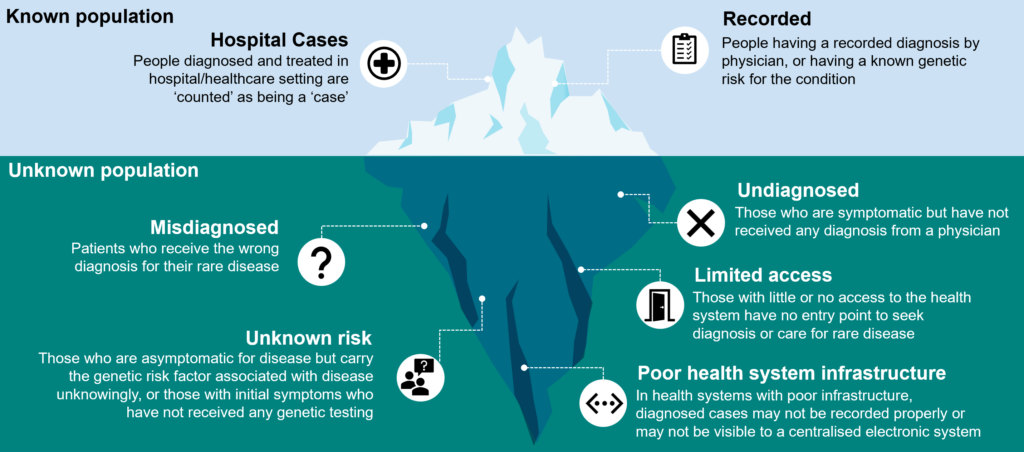
Many physicians may encounter a specific rare disease only once—or never—during their careers. Symptoms often overlap with common conditions, leading to misdiagnosis.
For example:
-
Chronic fatigue may be mistaken for stress.
-
Developmental delays might be attributed to general learning difficulties.
-
Muscle weakness could be diagnosed as a minor neurological issue.
Without awareness of rare conditions, early warning signs can be missed.
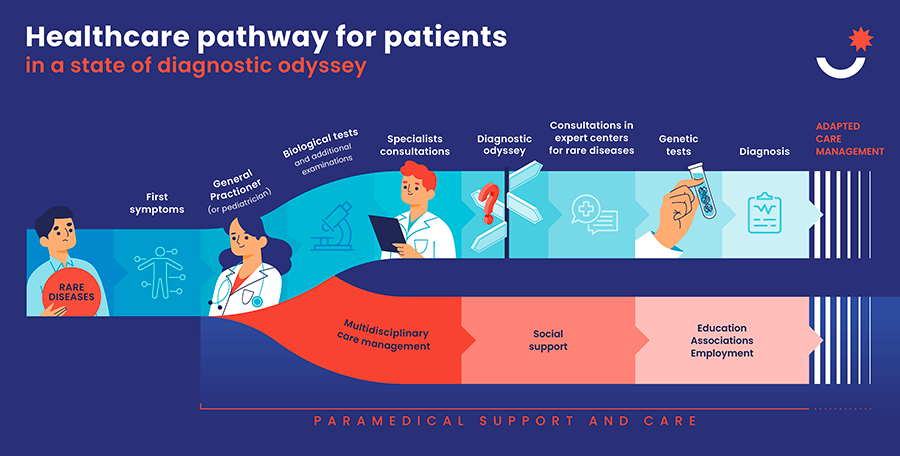
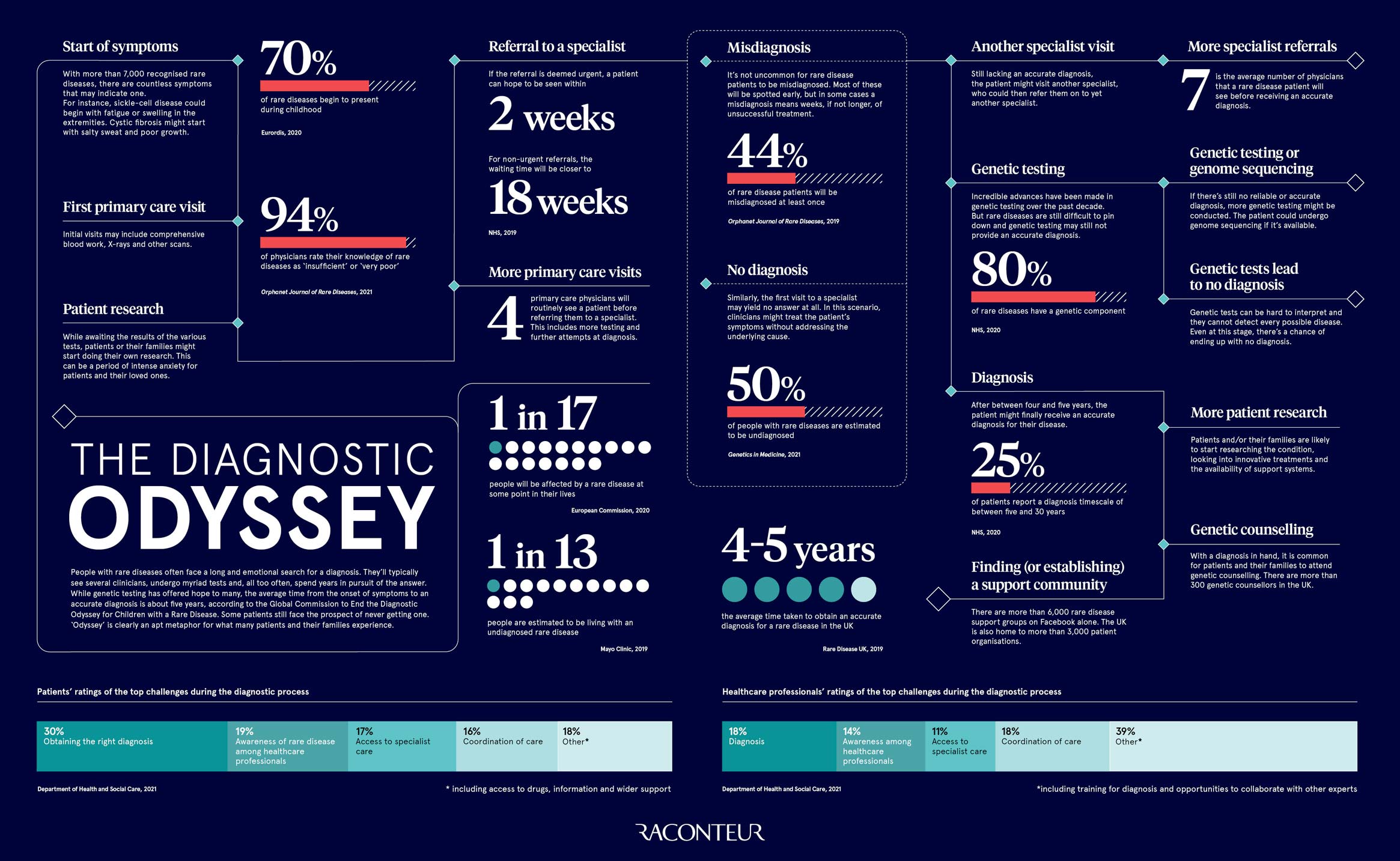
2. The “Diagnostic Odyssey”
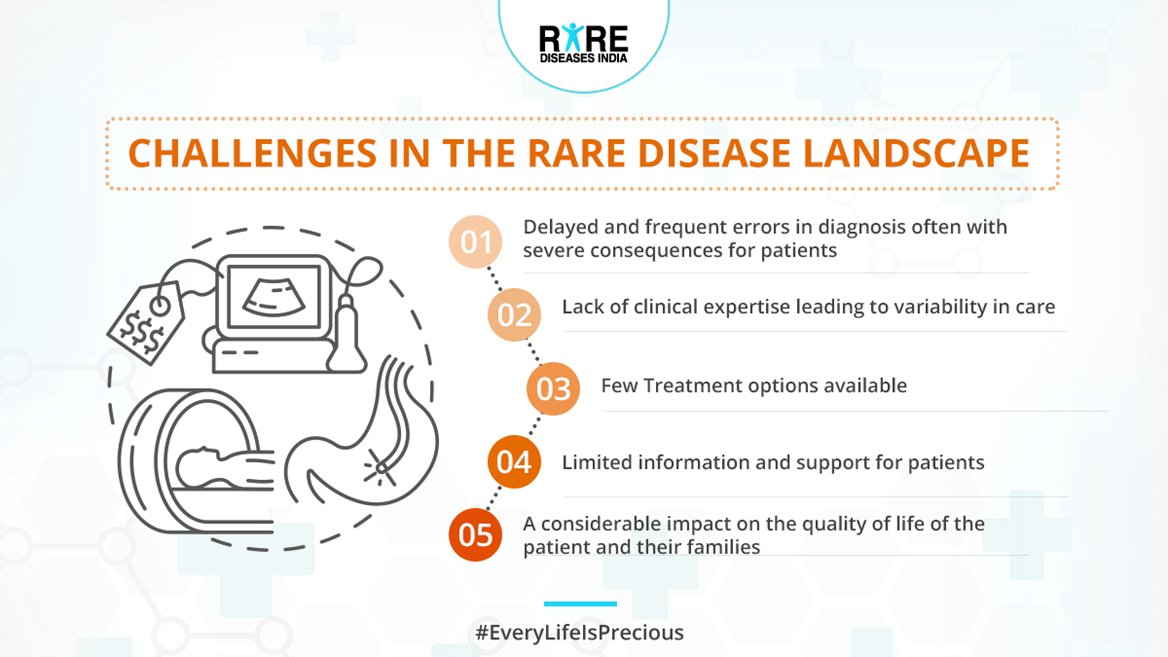
Patients with rare diseases often experience what experts call a diagnostic odyssey—a long journey involving multiple doctors, tests, and incorrect diagnoses.
On average:
-
It takes 4–7 years to diagnose many rare diseases.
-
Patients may see 5–10 specialists before receiving answers.
-
Some individuals are never correctly diagnosed.
This delay can worsen disease progression and limit treatment options.
3. Genetic Complexity
Since most rare diseases are genetic, diagnosis often requires specialized testing. However:
-
Genetic mutations may be extremely rare or previously undocumented.
-
Some conditions involve multiple genes.
-
Interpretation of genetic variants can be challenging.
Even when sequencing is available, results may be labeled as “variants of unknown significance,” leaving families without clear answers.
4. Lack of Standardized Diagnostic Guidelines
For common diseases like diabetes or hypertension, clear diagnostic criteria exist. Many rare diseases lack standardized protocols, making evaluation inconsistent across healthcare systems.
Modern Tools Transforming Rare Disease Diagnosis
The good news is that science is rapidly improving diagnostic accuracy and speed.
1. Genetic Testing and Genomic Sequencing
Advancements in DNA sequencing have revolutionized rare disease diagnosis.
Whole Exome Sequencing (WES)
Analyzes all protein-coding regions of genes.
Whole Genome Sequencing (WGS)
Examines the entire genetic code.
These tools can identify mutations responsible for inherited disorders and reduce the diagnostic timeline significantly.
In pediatric cases with unexplained developmental issues, early genomic testing can sometimes provide answers within weeks instead of years.
2. Newborn Screening Programs
Many countries now conduct newborn screening tests to detect certain rare diseases shortly after birth. Conditions like phenylketonuria (PKU) can be treated effectively if diagnosed early.
Expanding newborn screening panels is becoming a global priority to prevent irreversible complications.
3. Artificial Intelligence in Rare Disease Diagnosis
AI is emerging as a powerful tool in solving complex medical cases.
AI systems can:
-
Analyze electronic health records
-
Detect patterns in symptoms
-
Compare patient data with global disease databases
-
Identify rare genetic variants faster than manual analysis
Machine learning models can also assist radiologists and pathologists in identifying subtle disease markers in imaging scans.
AI reduces human error and increases the likelihood of recognizing rare patterns.
4. Digital Health Records and Data Sharing
Global data-sharing initiatives are connecting researchers and clinicians worldwide. Rare disease databases allow physicians to compare patient cases across borders.
The more data shared, the better the chances of identifying rare conditions quickly.
The Role of Genetic Counseling
Genetic counseling plays a critical role in rare disease diagnosis.
Counselors help families:
-
Understand genetic testing results
-
Assess inheritance risks
-
Make informed reproductive decisions
-
Access support networks
Because rare diseases often run in families, counseling provides both medical and emotional guidance.
Impact of Delayed Diagnosis
A delayed or incorrect diagnosis can have severe consequences:
1. Disease Progression
Without proper treatment, some rare diseases worsen rapidly.
2. Emotional Toll
Families may feel frustration, anxiety, and isolation.
3. Financial Burden
Repeated hospital visits and unnecessary tests can be expensive.
4. Missed Treatment Windows
Some therapies work best when administered early.
Timely diagnosis can significantly improve quality of life and survival rates.
Rare Disease Diagnosis in Children
Many rare diseases present symptoms during infancy or early childhood.
Warning signs include:
-
Failure to meet developmental milestones
-
Unusual facial features
-
Seizures without clear cause
-
Persistent feeding difficulties
-
Recurrent infections
Pediatricians increasingly rely on genomic tools when symptoms remain unexplained.
Early intervention can prevent disability and improve long-term outcomes.
Biomarkers and Precision Medicine
Biomarkers—biological indicators found in blood, tissue, or imaging—are improving early detection.
For example:
-
Enzyme deficiencies
-
Abnormal protein levels
-
Metabolic imbalances
Precision medicine uses these biomarkers to tailor treatments based on a patient’s genetic profile.
Rare disease diagnosis is becoming more personalized and data-driven.
Global Inequality in Rare Disease Diagnosis
Access to diagnostic tools varies widely across regions.
In high-income countries:
-
Advanced sequencing technologies are more accessible.
-
Insurance may cover genetic testing.
In low- and middle-income countries:
-
Testing may be unavailable or unaffordable.
-
Specialist expertise may be limited.
International collaboration and affordable genetic technologies are essential to close this gap.
Patient Advocacy and Support Organizations
Patient organizations play a vital role in rare disease diagnosis.
They:
-
Raise awareness
-
Fund research
-
Connect families with specialists
-
Lobby for policy changes
-
Provide emotional support
Advocacy efforts have led to improved screening programs and research funding worldwide.
Regulatory and Research Efforts
Governments have implemented policies to encourage rare disease research.
Examples include:
-
Orphan drug legislation
-
Research grants for rare conditions
-
Incentives for pharmaceutical companies
These initiatives accelerate drug development and improve diagnostic infrastructure.
The Future of Rare Disease Diagnosis
The next decade will likely bring transformative changes:
1. AI-Powered Clinical Decision Support
Doctors will increasingly rely on AI systems integrated into hospital software.
2. Rapid Whole-Genome Testing in ICUs
Critically ill newborns may receive genomic diagnoses within 24–48 hours.
3. CRISPR and Gene Editing
Precise identification of genetic mutations will guide targeted therapies.
4. Global Rare Disease Networks
Collaborative international platforms will allow real-time case matching.
5. Portable Genetic Testing Devices
Point-of-care genomic diagnostics could become more affordable and widespread.
The goal is clear: reduce diagnostic delay from years to days.
Ethical Considerations in Rare Disease Diagnosis
While genomic tools offer hope, they also raise ethical questions:
-
What if testing reveals unrelated genetic risks?
-
How should incidental findings be handled?
-
Who owns genetic data?
-
How can privacy be protected?
Strong regulations and transparent communication are essential to protect patients.
How Patients Can Advocate for Themselves
If someone suspects a rare disease:
-
Keep detailed medical records.
-
Seek second opinions.
-
Ask about genetic testing.
-
Connect with patient organizations.
-
Research clinical trials.
Self-advocacy can shorten the path to diagnosis.
Conclusion
Rare disease diagnosis remains one of medicine’s most demanding challenges. With thousands of conditions affecting millions globally, the need for faster, more accurate detection has never been greater.
The combination of genomic sequencing, artificial intelligence, biomarker research, and global data sharing is revolutionizing healthcare. What once took years may soon take days. While obstacles remain—particularly in awareness and accessibility—the future of rare disease diagnosis looks increasingly hopeful.
Early diagnosis not only improves medical outcomes but also provides families with clarity, direction, and access to life-changing treatments. As technology advances and collaboration grows, the long diagnostic odyssey may soon become a shorter, more navigable journey.
For quick updates, follow our whatsapp –https://whatsapp.com/channel/0029VbAabEC11ulGy0ZwRi3j
https://bitsofall.com/ant-group-lingbot-vla/
https://bitsofall.com/biomimetic-models-nature-inspired-ai-engineering/
SpaceX and xAI Merger: What It Means for Space, AI, and the Web
Google Releases Conductor: a Context-Driven Shift for AI-Assisted Development