Biomimetic Models: How Nature Is Inspiring the Future of Technology and Intelligence
Introduction to Biomimetic Models
The Biomimetic Models are changing human technologies in terms of the way humans design technology, address complex problems, and learn about intelligence itself. Fundamentally, biomimetic models are systems, algorithms, materials, or structures which are based on biological processes, biological organisms or biological ecosystems. These models are based on millions of years of natural evolution, rather than unnaturally imposing top-down engineering fixes, in which efficiency, adaptability, resilience, and sustainability are already optimized.
Since neural networks based on human brain are proposed, and swarm intelligence is based on ants and bees, biomimetic models now play the key role in artificial intelligence, robotics, medical applications, architecture and climate technology. Along with the trend of industries requiring smarter and more sustainable solutions, biomimicry is not a niche concept anymore- it is a design philosophy.
This article examines the definition of biomimetic models, the concept of their functionality, their broad classifications, and applications in the real world, the advantages, drawbacks, and the significance of the biomimetic models in the future of AI and engineering.
What Are Biomimetic Models?
Biomimetic models Numerical or physical models that replicate biological processes in order to attain specified human objectives are called biomimetic models. Those models are not direct copies of nature but rather abstract major concepts of biology and bring them to engineering or algorithmic implementation.
The main features of the biomimetic models are:
- Flexibility to the fluctuating conditions.
- The self-organizing control free.
- Efficiency of energy and resources.
- Fault tolerance and strength.
- Feedback and evolution as a way of learning.
Nature does not have unlimited energy, unpredictable conditions, and constant maximization requirements, which means that it exists within the limits of modern systems. Biomimetic models exploit these principles in order to be superior to traditional rule-based designs.
The Biological Inspiration Behind Biomimetic Models
Biology offers a vast library of solutions. Over billions of years, living systems have evolved mechanisms that modern engineers are only beginning to understand.
Some common biological inspirations include:
-
The human brain → neural networks and deep learning
-
Ant colonies → swarm intelligence and optimization algorithms
-
Bird flocking and fish schooling → distributed coordination systems
-
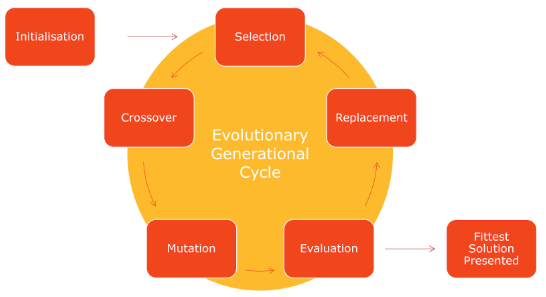
Evolution and natural selection → genetic algorithms
-
Human immune system → anomaly detection and cybersecurity
-
Plant structures → lightweight yet strong architectural designs
By studying these systems, researchers extract patterns that can be mathematically or mechanically modeled, giving rise to powerful biomimetic frameworks.
Major Types of Biomimetic Model
1. Neural-Inspired Models
Neural-inspired biomimetic models replicate how neurons process information in the brain. Artificial neural networks (ANNs), deep learning systems, and spiking neural networks all fall into this category.
These models excel at:
-
Pattern recognition
-
Language understanding
-
Image and speech processing
-
Decision-making under uncertainty
Modern AI systems are fundamentally biomimetic, drawing heavily from neuroscience to simulate learning and memory.
2. Evolutionary and Genetic Models
Evolutionary biomimetic models simulate natural selection. Instead of programming solutions directly, developers define fitness criteria and allow solutions to evolve over time.
Key examples include:
-
Genetic algorithms
-
Evolutionary strategies
-
Neuroevolution
These models are especially useful in optimization problems where the solution space is too large or complex for brute-force methods.
3. Swarm Intelligence Models
Swarm-based biomimetic models imitate collective behavior found in social insects, birds, and fish. Individual agents follow simple rules, yet complex and intelligent global behavior emerges.
Applications include:
-
Route optimization
-
Traffic management
-
Distributed robotics
-
Network routing
Swarm intelligence demonstrates how intelligence can emerge without centralized control—an idea reshaping modern AI architectures.
4. Morphological and Structural Biomimicry
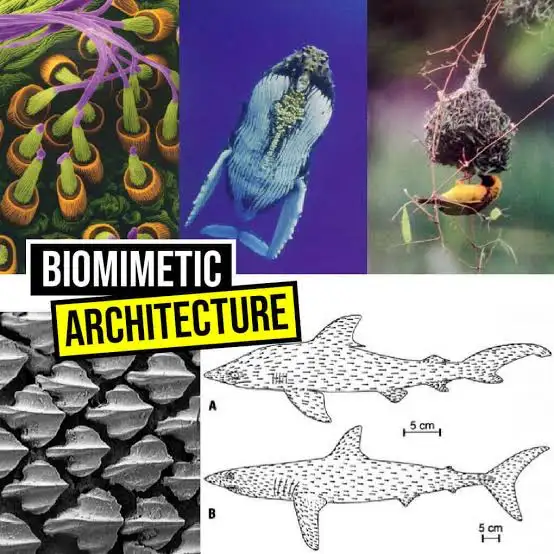
Some biomimetic models focus on physical structure rather than computation. Engineers study bones, shells, spider silk, and plant stems to create materials that are lightweight, flexible, and strong.
This approach is widely used in:
-
Aerospace engineering
-
Architecture
-
Medical implants
-
Soft robotics
Form itself becomes a form of intelligence in these models.
5. Behavioral and Cognitive Models
These biomimetic models simulate perception, emotion, learning, and decision-making based on human or animal cognition.
Examples include:
-
Reinforcement learning inspired by reward systems
-
Attention mechanisms based on human focus
-
Emotional modeling in human–AI interaction
Such models are increasingly important in social robots, virtual assistants, and AI companions.
How Biomimetic Models Work in Practice
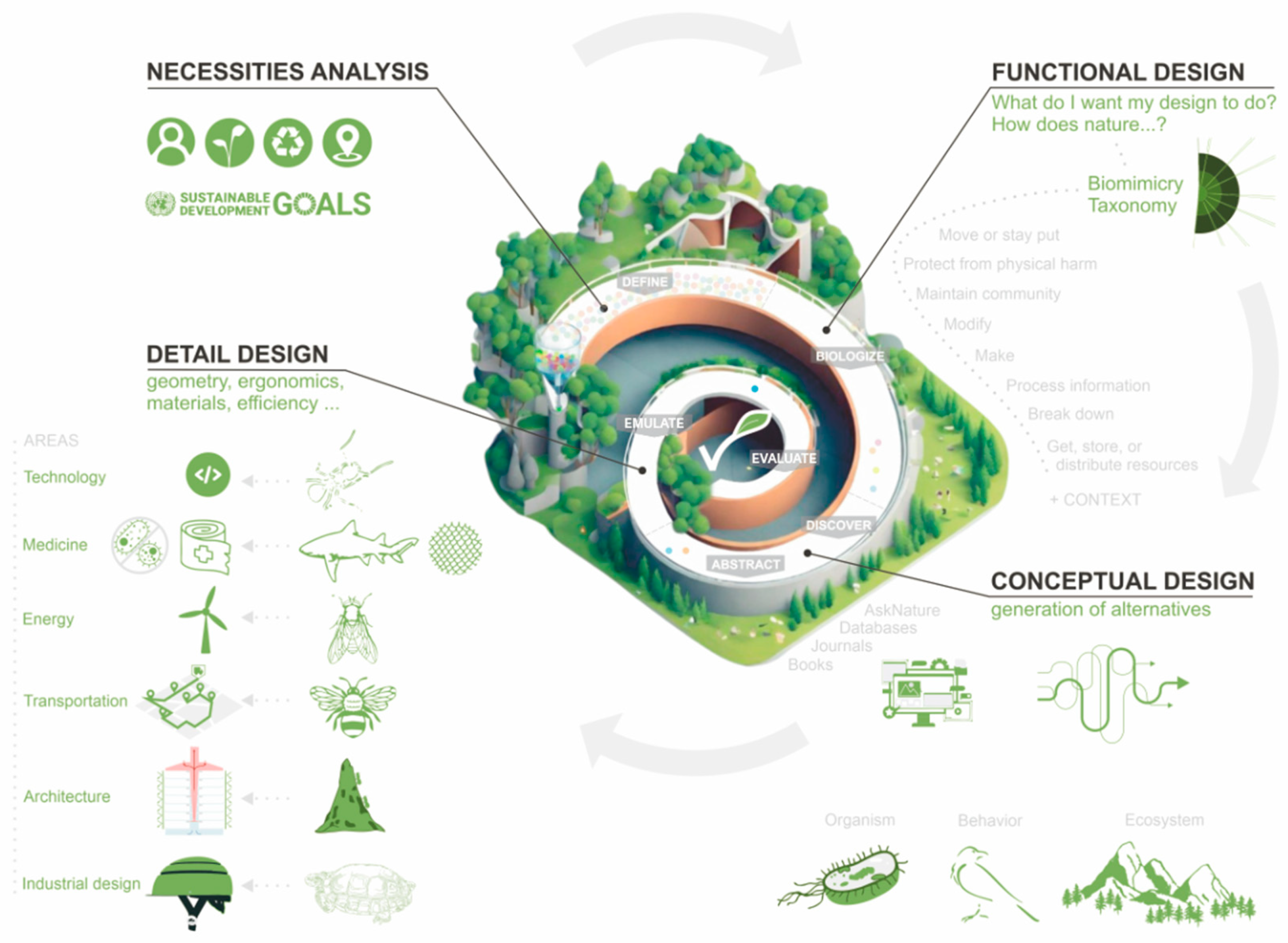
Biomimetic models typically follow a structured workflow:
-
Observation – Study a biological system in detail
-
Abstraction – Identify the core principle or mechanism
-
Modeling – Translate it into mathematical or physical form
-
Simulation – Test the model in controlled environments
-
Iteration – Refine based on performance and feedback
The goal is not perfect imitation but functional inspiration. A successful biomimetic model captures why a biological system works, not just how it looks.
Applications of Biomimetic Models Across Industries
Biomimetic Models in Artificial Intelligence
AI is arguably the biggest beneficiary of biomimetic thinking. Neural networks, reinforcement learning, attention mechanisms, and multi-agent systems all originate from biological analogies.
Biomimetic models help AI systems:
-
Learn from experience
-
Generalize knowledge
-
Adapt to new tasks
-
Collaborate with other agents
As AI moves toward autonomy, biomimetic models offer a blueprint for building systems that are both intelligent and resilient.
Biomimetic Models in Robotics
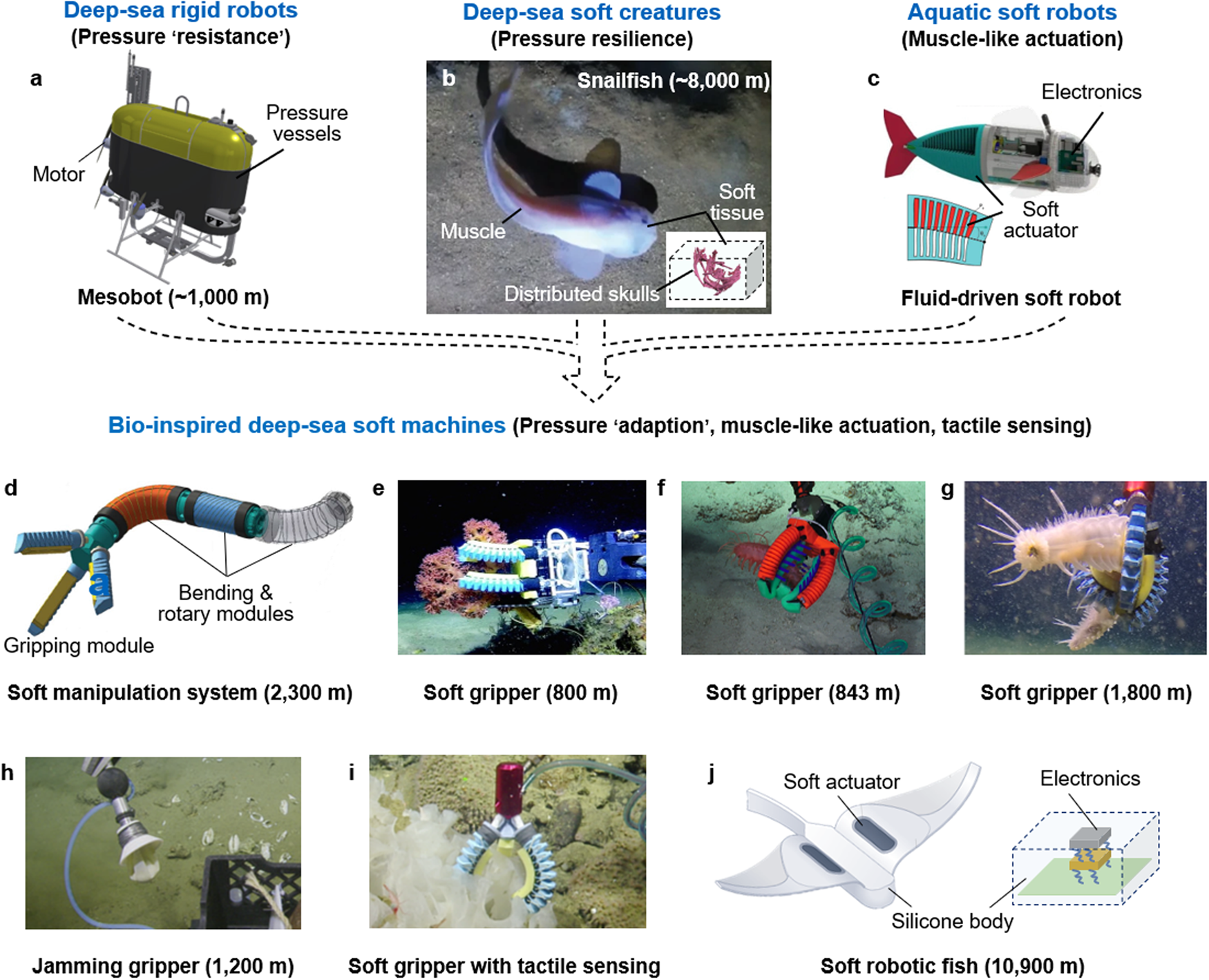
Robotics heavily relies on biomimetic models for movement, perception, and control. Soft robots inspired by octopus arms, insect-like walking robots, and drone swarms modeled after birds are redefining mobility.
Benefits include:
-
Greater flexibility
-
Improved energy efficiency
-
Safer human–robot interaction
-
Enhanced adaptability
Nature provides robotic solutions where traditional mechanics fall short.
Biomimetic Models in Healthcare
In medicine, biomimetic models enable more personalized and effective treatments.
Key use cases:
-
Artificial organs inspired by biological function
-
Drug delivery systems mimicking cellular behavior
-
Prosthetics modeled after human biomechanics
-
Neural implants aligned with brain signaling
These models bridge biology and engineering, improving outcomes while reducing side effects.
Biomimetic Models in Architecture and Urban Design
Buildings inspired by termite mounds regulate temperature naturally. Structures modeled after bones achieve strength with minimal material.
Architectural biomimetic models focus on:
-
Passive cooling and heating
-
Structural efficiency
-
Sustainable material usage
-
Climate-responsive design
This approach aligns perfectly with global sustainability goals.
Biomimetic Models in Environmental and Climate Tech
Ecosystems are masters of balance and resilience. Biomimetic climate models help design systems that adapt to environmental stress.
Examples include:
-
Water-harvesting systems inspired by desert beetles
-
Energy grids modeled after ecological networks
-
Carbon capture methods inspired by photosynthesis
Nature becomes both teacher and partner in fighting climate change.
Advantages of Biomimetic Models
Biomimetic models offer several compelling benefits:
-
Efficiency: Nature rarely wastes energy or resources
-
Scalability: Many biological systems work from micro to macro scale
-
Robustness: Biological systems tolerate failure gracefully
-
Adaptability: Continuous learning and evolution
-
Sustainability: Environmentally aligned by design
These advantages make biomimetic models especially attractive in a world facing resource constraints and complexity.
Challenges and Limitations of Biomimetic Models
Despite their promise, biomimetic models are not without challenges.
Major limitations include:
-
Difficulty in accurately modeling complex biological systems
-
High computational cost for simulations
-
Ethical concerns in bio-inspired AI behavior
-
Risk of oversimplifying biological processes
-
Lack of interdisciplinary expertise
Nature is complex, and translating that complexity into usable models requires careful balance.
Biomimetic Models vs Traditional Engineering Approaches
Traditional engineering relies on predictability and control. Biomimetic models embrace uncertainty, emergence, and adaptation.
| Traditional Models | Biomimetic Models |
|---|---|
| Rule-based | Learning-based |
| Centralized control | Distributed intelligence |
| Static behavior | Adaptive behavior |
| Optimized for averages | Optimized for survival |
As systems grow more complex, biomimetic approaches often outperform classical designs.
The Role of Biomimetic Models in Future AI Systems
The future of AI lies in autonomy, collaboration, and alignment with human values. Biomimetic models offer pathways toward:
-
Self-improving AI agents
-
Emotionally aware systems
-
Collective intelligence
-
Human-like reasoning under uncertainty
As researchers move beyond narrow AI, biomimetic principles will likely define the next generation of intelligent machines.
Ethical and Philosophical Implications
Imitating life raises important questions:
-
Should AI mimic human emotions?
-
Where is the boundary between simulation and life?
-
Can bio-inspired systems develop unintended behaviors?
Responsible development of biomimetic models requires ethical oversight, transparency, and interdisciplinary collaboration.
Conclusion: Why Biomimetic Models Matter
Biomimetic Models represent a shift from domination over nature to collaboration with it. By learning from biology, humans are building technologies that are smarter, more resilient, and more sustainable.
In an era of AI acceleration, climate uncertainty, and system-level complexity, biomimetic models offer something rare: solutions that have already been tested by time itself. Nature is not just an inspiration—it is the ultimate engineer.
As research advances, biomimetic models will continue to blur the line between biology and technology, shaping a future where innovation grows not against nature, but alongside it.
For quick updates, follow our whatsapp –https://whatsapp.com/channel/0029VbAabEC11ulGy0ZwRi3j
https://bitsofall.com/ai-agent-action-decision-constraints/
https://bitsofall.com/nvidia-revolutionizes-climate-tech-with-earth-2/