Disney Licensing IP to OpenAI’s Sora for AI Video Generation: What the Deal Means for Fans, Creators, and Hollywood
A landmark moment: Disney makes its characters “officially usable” in generative video
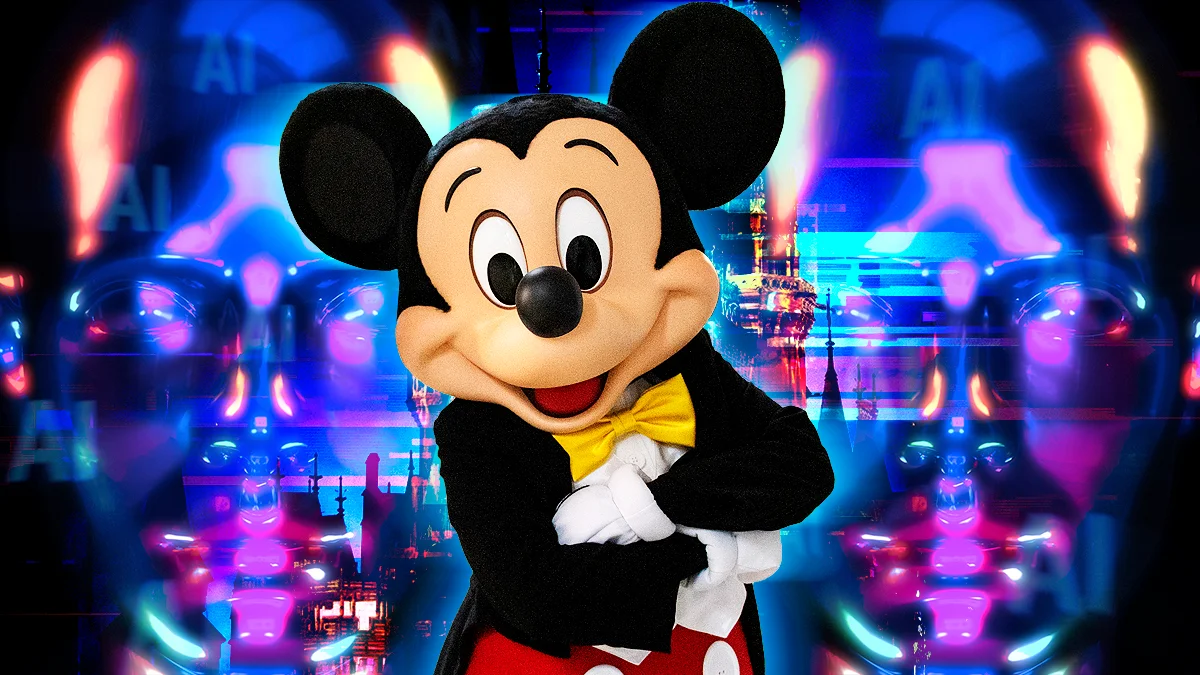
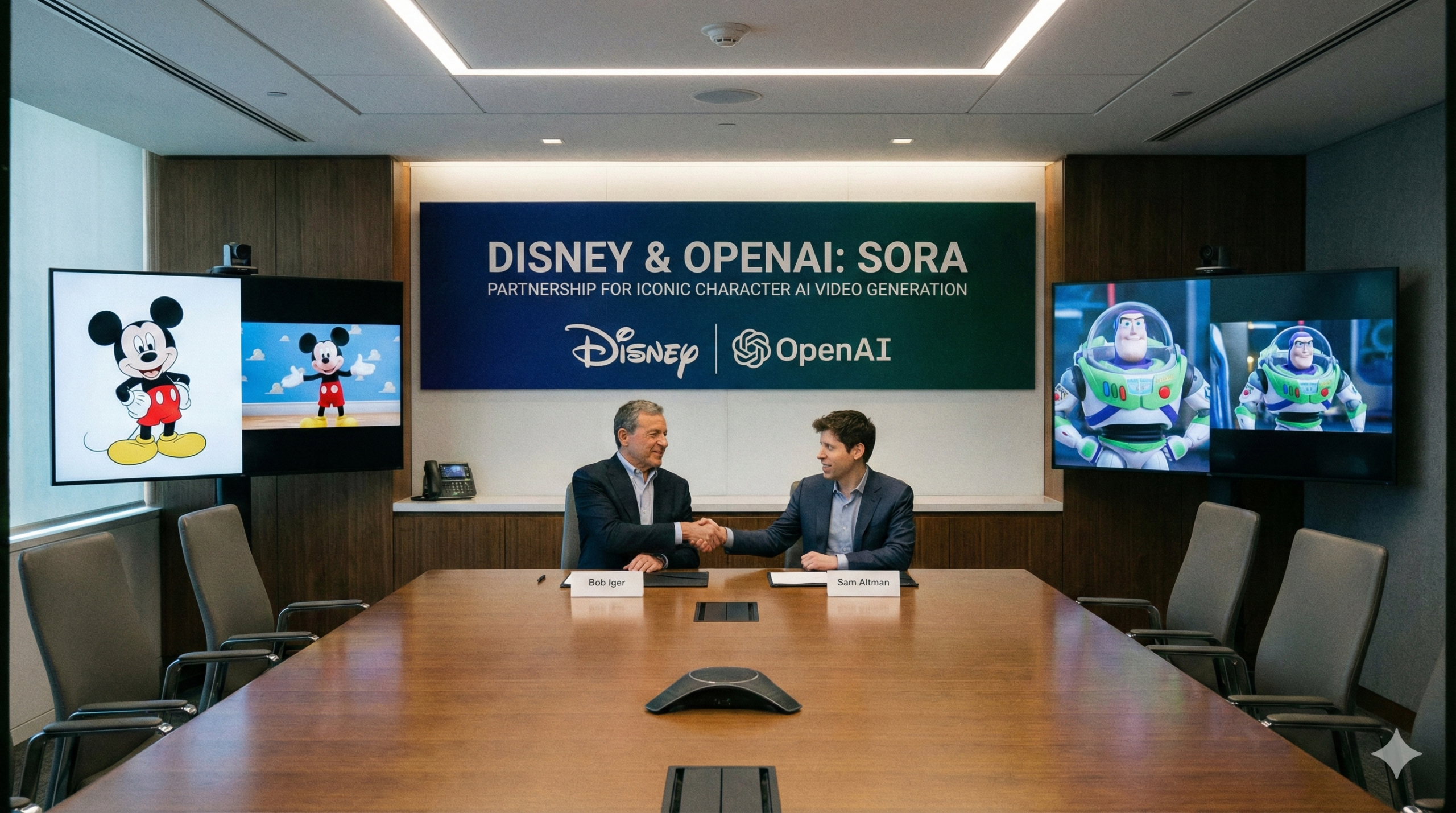
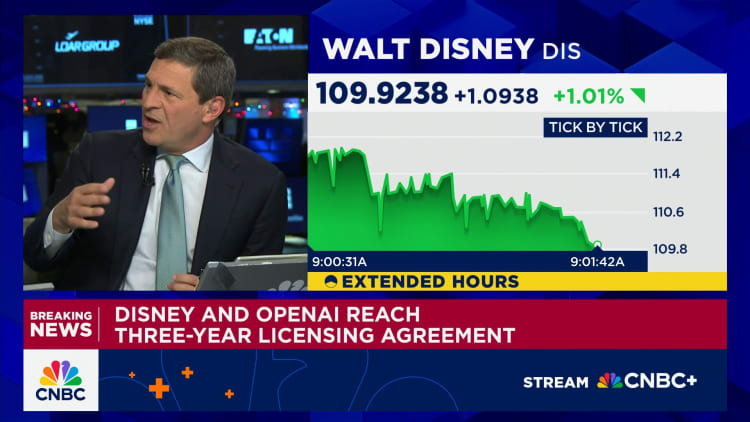
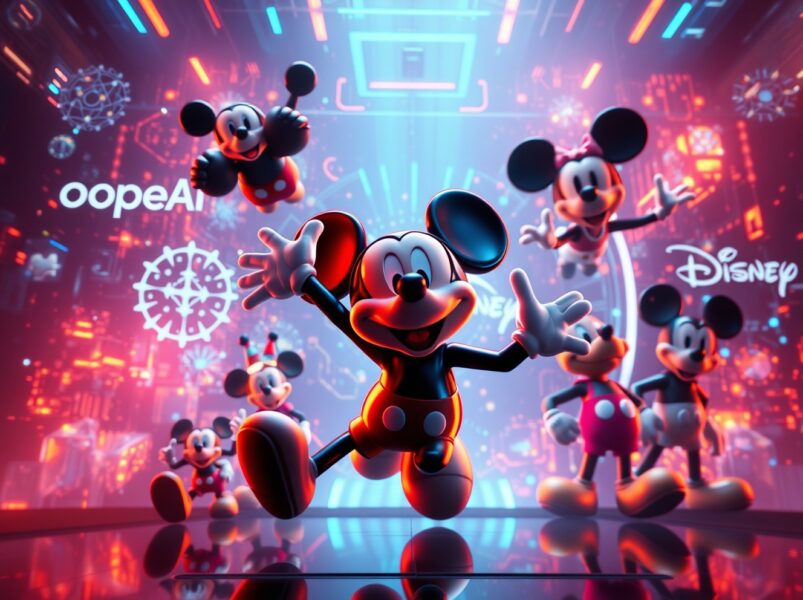
In December 2025, The Walt Disney Company and OpenAI announced a licensing agreement that allows OpenAI’s video generation model Sora (and related image features) to generate content featuring a curated set of Disney-owned characters—reportedly 200+ characters spanning Disney, Pixar, Marvel, and Star Wars. The Walt Disney Company+2OpenAI+2
This is a big shift from the “wild west” phase of generative media, where fans could sometimes coax models into producing lookalikes of famous characters without permission. Disney’s move signals something more structured: licensed IP, platform-level guardrails, and an attempt to turn fan generation into a controlled, monetizable ecosystem.
The announcement also frames the agreement as a step toward “meaningful standards” for responsible AI in entertainment—suggesting the deal is as much about governance and safety as it is about cool new content. OpenAI+1
What exactly is being licensed—and what users may get in early 2026
According to the companies’ public statements, the license is designed to let users generate “fan-inspired” videos using Sora with Disney’s characters, with availability expected in early 2026. The Walt Disney Company+1
While the exact UI experience will matter (and likely evolves), reports describe a few key components:
1) A “handpicked” library across multiple Disney brands
The deal covers characters from:
-
Disney (classic and modern franchises)
-
Pixar
-
Marvel
Importantly, the messaging implies it’s not a blank check to generate anything with any character in any context. Instead, it’s a curated set—a controlled starting point that can expand later.
2) Distribution and curation on Disney+
One of the most eye-catching elements: Disney says it expects to feature curated selections of Sora-generated videos on Disney+—turning fan creations into a platform programming experiment. The Walt Disney Company+1
That introduces a new dynamic: not just “fans making videos,” but fans making videos that might be showcased by Disney, under rules Disney helps define.
3) Safety controls and guardrails
Both companies publicly emphasize safeguards—consistent with the idea that branded character generation needs more oversight than generic text-to-video. OpenAI+2Adams & Reese+2
4) Restrictions around real people (voices/faces/likeness)
At least one report notes that real talent likenesses and voices are excluded—a crucial point given ongoing industry concerns about digital replicas. New York Post
Why Disney would do this now
To outsiders, licensing Mickey Mouse (and a galaxy of other IP) into an AI model might look risky. So why step in?
1) Control beats chaos
Disney has arguably watched the internet generate unauthorized Disney-like content for years—memes, edits, deepfakes, and now generative AI outputs. A licensing model gives Disney:
-
Defined boundaries (what’s allowed, what’s not)
-
Quality controls (curation, platform policies)
-
Brand protection (less reputational free-for-all)
In other words: if fans are going to generate Disney-ish content anyway, Disney may prefer a scenario where it can say, “Do it here, with rules.”
2) A strategic response to copyright conflict in AI
Around the same time, Disney has taken a tougher stance against alleged unlicensed outputs in AI ecosystems—reportedly including accusations toward Google’s AI tools. The Verge
That contrast is telling: license where you can enforce terms; challenge where you can’t.
3) Disney+ needs new engagement formats
Disney+ is no longer just competing on having a library. It competes on retention, community, and “reasons to open the app today.” Curated fan-generated shorts could become:
-
A social, participatory layer
-
A discovery engine for franchises
-
A marketing channel disguised as entertainment
If it works, it’s a new kind of funnel: fans generate → Disney curates → audience watches → franchise interest spikes.
Why OpenAI wants Disney IP inside Sora
From OpenAI’s perspective, Disney’s catalog is not just popular—it’s globally recognizable, multi-generational, and meme-native.
1) Differentiation in the AI video race
AI video is a crowded and fast-moving space. A licensed Disney library is a massive differentiator: it’s not “generic video generation,” it’s “make stories with characters you already love,” but legally.
2) A template for future studio partnerships
If the Disney deal proves workable—creatively and legally—it can become the blueprint for:
-
Other studios
-
Sports leagues
-
Game publishers
-
Music labels (with different constraints)
A well-structured licensing model could be the bridge between “AI companies trained on the internet” and “rights holders want payment + control.”
What this changes for creators (and what it doesn’t)
This deal sounds like a creator playground—but it’s also likely a tightly governed one.
What creators gain
-
Legitimacy: You’re not tiptoeing around copyright with “lookalike” prompts. You’re using licensed assets. The Walt Disney Company+1
-
Speed: Rapid prototyping of shorts, parodies (within policy), alternate scenes, and franchise-style micro-stories.
-
Distribution potential: If Disney+ truly curates fan videos, that’s a new pathway for exposure. The Walt Disney Company+1
What creators likely won’t get
-
Full commercial freedom: Expect rules about monetization, usage rights, and where you can post.
-
Unlimited character behavior: Brands are protective. Policies around violence, hate, sexual content, misinformation, and defamation will likely be strict.
-
Access to actor likeness/voices: Reports indicate exclusions here, which is consistent with industry sensitivities. New York Post
A practical implication: “fan-inspired” doesn’t mean “anything goes”
The phrase “fan-inspired videos” matters. It signals:
-
sanctioned fandom expression
-
within a fenced garden
-
under moderation + brand standards The Walt Disney Company+1
The big questions: IP, compensation, and creative labor
Even if the deal is legally clean, it raises broader debates across Hollywood and the creator economy.
1) Does licensing IP to AI normalize “synthetic franchise content”?
If fans can generate infinite shorts starring iconic characters, the internet could be flooded with franchise-adjacent content that feels “official,” even when it isn’t. Disney may counter this with:
-
labeling requirements
-
official curation signals
-
strict policy enforcement
Still, the cultural impact could be huge: franchises become platforms where millions of people generate in-universe moments.
2) How do unions and talent protections evolve?
Actor likeness and voice are flashpoints, and exclusions suggest both companies know it. New York Post
But there’s a bigger labor question: if AI makes it cheap to generate passable animated shorts, what happens to:
-
entry-level animation roles?
-
pre-visualization teams?
-
marketing production pipelines?
Some argue it frees teams to focus on high-value creative decisions. Others see it as a squeeze on human work. This tension won’t be settled by one deal—but this deal will be used as precedent in future negotiations.
3) What does “responsible AI” mean when the output is branded characters?
Responsible AI in entertainment isn’t only about deepfakes or safety. It also includes:
-
preventing misleading “official-looking” misinformation
-
preventing hateful or extremist remixes
-
preventing brand-damaging scenarios
-
preventing harassment content using characters
The more beloved the character, the more important governance becomes—and the more likely “creative freedom” gets constrained.
The business model: why licensing could become the new default
For years, the central conflict in generative AI has been: AI models learned from the world; rights holders want consent and compensation. A direct license is one possible resolution—at least for outputs.
If Disney’s partnership produces:
-
measurable engagement on Disney+
-
new subscription retention
-
new merchandising interest
-
and manageable PR/legal risk
…then other IP owners may follow, because licensing converts “AI as a threat” into “AI as a channel.”
Meanwhile, AI companies benefit because licensing:
-
reduces litigation exposure
-
improves product quality (consistent character design)
-
builds trust with mainstream audiences
What to watch in 2026
If you’re tracking this space—whether as a creator, marketer, or product builder—these are the practical signals that will determine whether the Disney–OpenAI model becomes the standard:
-
How Sora enforces boundaries (what gets blocked, and how often)
-
How attribution and labeling work (is it clearly “fan-generated”?)
-
Whether Disney+ curation becomes a real content lane or a limited PR experiment The Walt Disney Company+1
-
Monetization rules (Can creators earn? How? On what platforms?)
-
Expansion of the character library (beyond the initial 200+) Silicon Republic+1
-
Industry reaction (other studios signing similar deals or moving to lawsuits instead)
Conclusion: a new era of “licensed fandom” is beginning
Disney licensing IP into OpenAI’s Sora is not just a fun headline—it’s a strategic bet that the future of entertainment includes audience-generated media as a first-class citizen, not a fringe activity.
For Disney, the deal looks like an attempt to channel the chaos into a controlled ecosystem: licensed characters, curated distribution, and enforceable rules. For OpenAI, it’s a credibility and differentiation play that could reshape how major IP holders engage with generative video.
And for creators? It’s an opportunity—but inside a sandbox. The creators who thrive will be the ones who learn the rules quickly, use constraints creatively, and build storytelling formats that work in short-form AI video.
Whether this becomes the “Spotify model” of entertainment IP in AI—licenses, royalties, and controlled creation—or sparks a backlash that tightens restrictions, will be decided by what happens next: the rollout, the guardrails, and what the internet does with it in early 2026. The Walt Disney Company+2OpenAI+2
For quick updates, follow our whatsapp –https://whatsapp.com/channel/0029VbAabEC11ulGy0ZwRi3j
https://bitsofall.com/deepfake-detection-ai/
https://bitsofall.com/tesla-optimus-updates-outdoor-autonomy-dexterity/
Early Disease Diagnosis App: How AI-Powered Health Apps Are Transforming Preventive Healthcare
Amazon Warehouse Robots Using AI-Driven Learning to Handle Diverse Products