Next-Generation Research: How Science, AI, and Technology Are Redefining the Future of Discovery
Introduction: The Dawn of a New Research Era
Research has always been the engine of human progress. From the discovery of fire to the decoding of the human genome, every leap forward began with curiosity and experimentation. Today, however, we are entering an entirely new paradigm of discovery—one defined by artificial intelligence, automation, massive data availability, and global collaboration. This transformation is collectively referred to as Next-Generation Research.
Unlike traditional research models that relied heavily on manual experimentation and linear progress, next-generation research is data-driven, computationally accelerated, interdisciplinary, and increasingly autonomous. Scientists are no longer working alone in isolated labs; instead, they are collaborating with intelligent machines capable of generating hypotheses, running simulations, and even discovering patterns humans might miss.
This article explores what next-generation research truly means, the technologies powering it, how it is reshaping industries, and why it will define innovation for decades to come.
What Is Next-Generation Research?
Next-generation research refers to advanced scientific and technological investigation enabled by AI, high-performance computing, automation, and cross-disciplinary integration. It moves beyond incremental progress and focuses on exponential discovery.
Key characteristics include:
-
AI-assisted hypothesis generation
-
Automated experimentation and robotics
-
Massive real-time data analysis
-
Cloud-based and distributed research ecosystems
-
Faster translation from research to real-world impact
In essence, next-generation research is not just about what we study, but how we study it.
The Core Technologies Powering Next-Generation Research

1. Artificial Intelligence and Machine Learning
AI has become the backbone of modern research. Machine learning models can analyze millions of variables, detect hidden correlations, and optimize experimental designs.
Institutions like OpenAI and Google DeepMind have demonstrated how AI systems can outperform humans in protein folding, climate modeling, and mathematical reasoning.
AI enables:
-
Predictive modeling
-
Automated literature reviews
-
Intelligent experiment design
-
Real-time anomaly detection
2. High-Performance and Quantum Computing
High-performance computing (HPC) allows researchers to simulate complex systems such as climate models, nuclear reactions, and molecular interactions at unprecedented speed.
Meanwhile, quantum research—led by organizations like IBM Research—promises to solve problems that classical computers cannot, including advanced cryptography and drug discovery.
3. Robotics and Lab Automation
Robotic systems are transforming laboratories into self-driving research environments. Automated labs can:
-
Run thousands of experiments simultaneously
-
Reduce human error
-
Operate 24/7
-
Rapidly iterate experimental conditions
This approach dramatically accelerates discovery in fields like chemistry, materials science, and biotechnology.
4. Big Data and Cloud Research Platforms
Cloud-based platforms allow researchers across continents to collaborate in real time. Massive datasets—from genomics to satellite imagery—are stored, processed, and analyzed on scalable infrastructure.
Organizations such as CERN rely heavily on distributed computing to analyze data from experiments like the Large Hadron Collider.
How Next-Generation Research Is Transforming Major Field
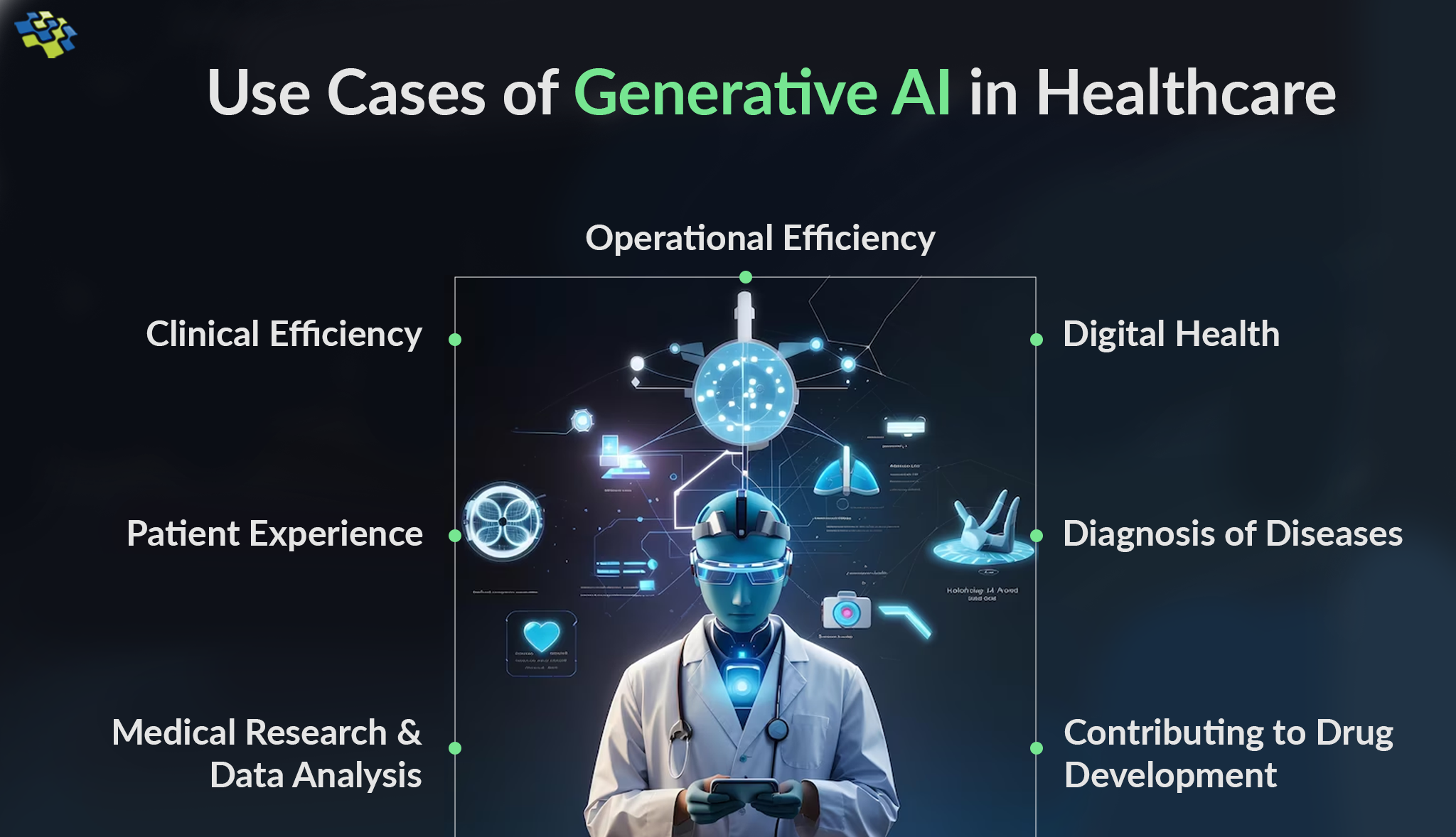
Healthcare and Biomedical Science
In healthcare, next-generation research is enabling:
-
AI-driven drug discovery
-
Personalized medicine
-
Predictive diagnostics
-
Digital twins of human organs
Instead of spending decades developing a drug, AI models can now simulate molecular interactions in weeks, drastically reducing cost and time.
Biotechnology and Genetics
Genomics research has shifted from sequencing to interpretation and application. AI systems analyze genetic data to:
-
Identify disease-causing mutations
-
Design gene therapies
-
Improve agricultural resilience
This is accelerating breakthroughs in CRISPR, regenerative medicine, and synthetic biology.
Climate Science and Sustainability
Climate research now depends heavily on AI and simulation models to predict:
-
Extreme weather events
-
Carbon capture efficiency
-
Ecosystem collapse risks
Next-generation research is helping policymakers make data-backed decisions to combat climate change more effectively.
Space Exploration and Astrophysics
Agencies like NASA use AI-driven research for:
-
Autonomous spacecraft navigation
-
Planetary data analysis
-
Astrobiology simulations
With limited human presence in space, intelligent systems act as on-site researchers millions of kilometers away.
The Rise of Interdisciplinary Research Models
One of the most defining aspects of next-generation research is the collapse of traditional disciplinary boundaries.
Modern breakthroughs often occur at intersections:
-
AI + Biology = Computational genomics
-
Physics + AI = Advanced materials
-
Neuroscience + Robotics = Brain-machine interfaces
Universities and research labs are increasingly structured around problem-centric research, not subject-centric departments.
Human-AI Collaboration: Researchers and Intelligent Agents
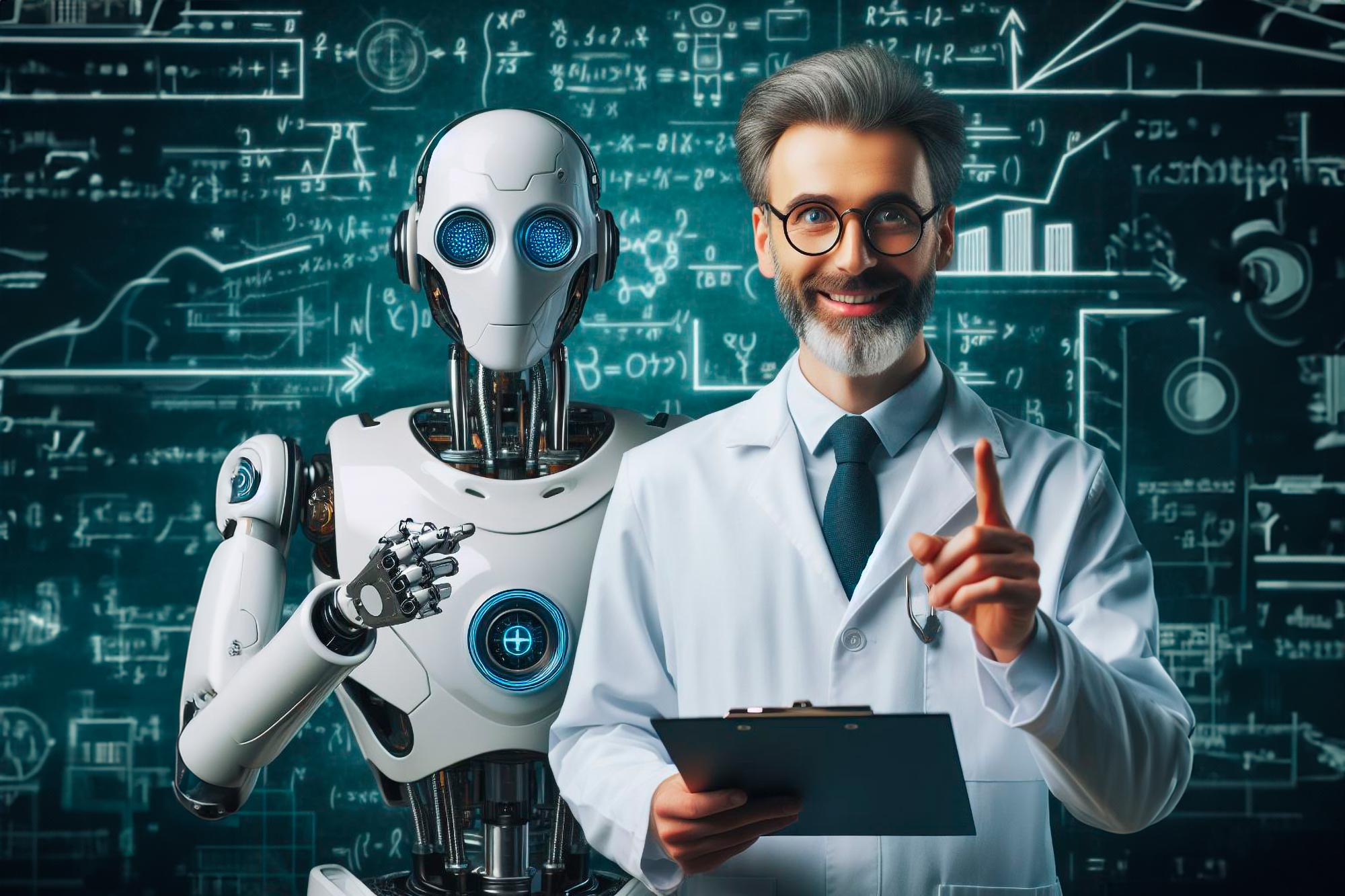
Rather than replacing scientists, AI is becoming a research collaborator.
AI agents can:
-
Read and summarize thousands of papers
-
Propose novel hypotheses
-
Design optimized experiments
-
Continuously learn from results
This allows human researchers to focus on creativity, ethics, and high-level reasoning while machines handle complexity and scale.
Ethical Challenges in Next-Generation Research
With great power comes serious responsibility. Next-generation research raises critical ethical questions:
-
Who owns AI-generated discoveries?
-
How do we prevent algorithmic bias in scientific results?
-
Can autonomous systems be trusted with life-critical research?
-
How do we ensure equitable access to advanced research tools?
Responsible AI frameworks and transparent methodologies are becoming essential pillars of modern research governance.
Democratization of Research Through Technology
One of the most exciting outcomes of next-generation research is accessibility.
Cloud tools, open-source AI models, and global collaboration platforms allow:
-
Students to run experiments virtually
-
Startups to conduct advanced R&D
-
Developing nations to participate in global science
This democratization ensures innovation is no longer limited to elite institutions.
The Role of Governments and Industry
Governments worldwide are investing heavily in next-generation research ecosystems. Public-private partnerships enable faster commercialization of research outcomes.
Countries that prioritize:
-
AI infrastructure
-
Research funding
-
Talent development
will dominate future innovation landscapes.
Future Trends in Next-Generation Research
Looking ahead, we can expect:
-
Fully autonomous research labs
-
AI systems discovering new scientific laws
-
Real-time global research collaboration networks
-
Personalized research assistants for every scientist
-
Ethical AI governance embedded into research workflows
The pace of discovery will continue to accelerate exponentially.
Why Next-Generation Research Matters to Society
Next-generation research is not an abstract academic concept—it directly impacts everyday life:
-
Faster medical treatments
-
Cleaner energy solutions
-
Safer transportation systems
-
Smarter cities
-
Enhanced quality of life
It represents humanity’s best chance to solve complex, global challenges at scale.
Conclusion: Research Reimagined for the 21st Century
Next-generation research marks a fundamental shift in how knowledge is created. Powered by AI, automation, and global collaboration, it enables faster, deeper, and more impactful discovery than ever before.
As humans and intelligent machines work side by side, research is evolving from a slow, incremental process into a dynamic, self-improving ecosystem of innovation.
The future will not be defined by those who merely consume knowledge—but by those who redefine how knowledge itself is discovered.
For quick updates, follow our whatsapp –https://whatsapp.com/channel/0029VbAabEC11ulGy0ZwRi3j
https://bitsofall.com/iit-delhi-robotics-neurostimulation/
https://bitsofall.com/xiaomi-open-source-mimo-v2-flash-inference-first-moe-model/
C3 Generative AI Accelerator: The Fast Track to Enterprise-Grade GenAI Apps (2025 Guide)
C3 AI Explained: How the Enterprise AI Platform Powers Large-Scale Business Intelligence