

MBZUAI Researchers Introduce PAN — A General World Model for Interactable, Long-Horizon Simulation
IIT Delhi Launches a Robotics Programme as Wearable Neurostimulation Suits Like “Mollii” Hint at a New Mobility Era
The same future, seen from two angles: robots in the lab, mobility on the body
Two announcements—one from a leading engineering campus and another from the fast-evolving world of rehabilitation wearables—point to the same larger shift: technology is moving closer to the human body and everyday work.
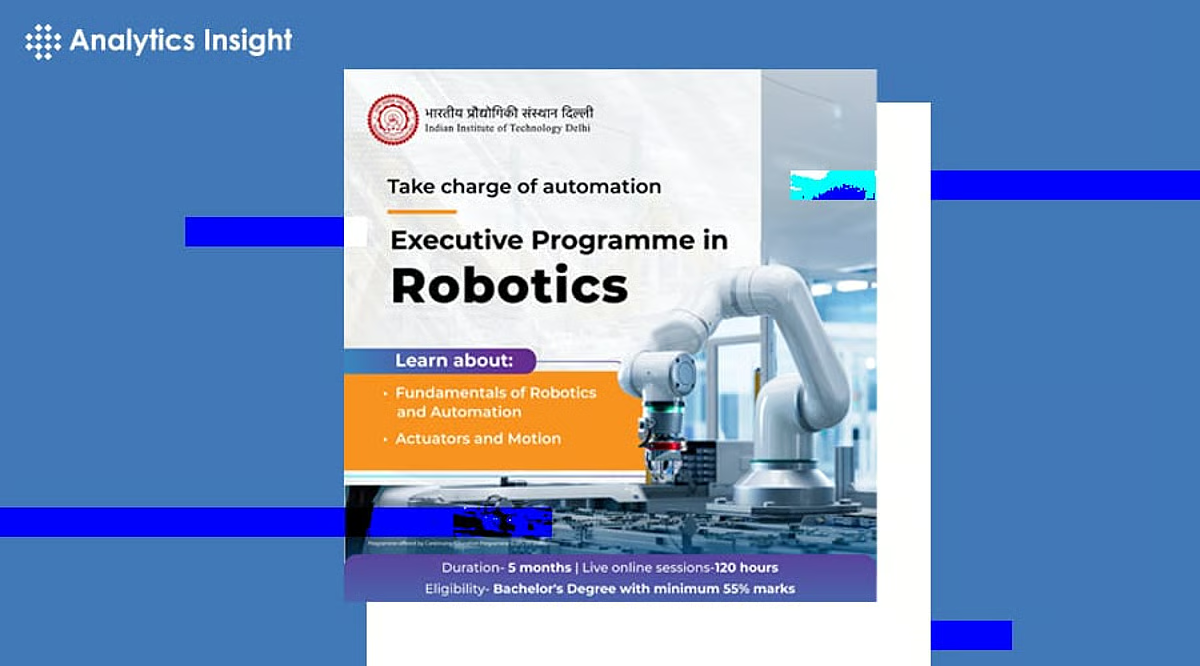
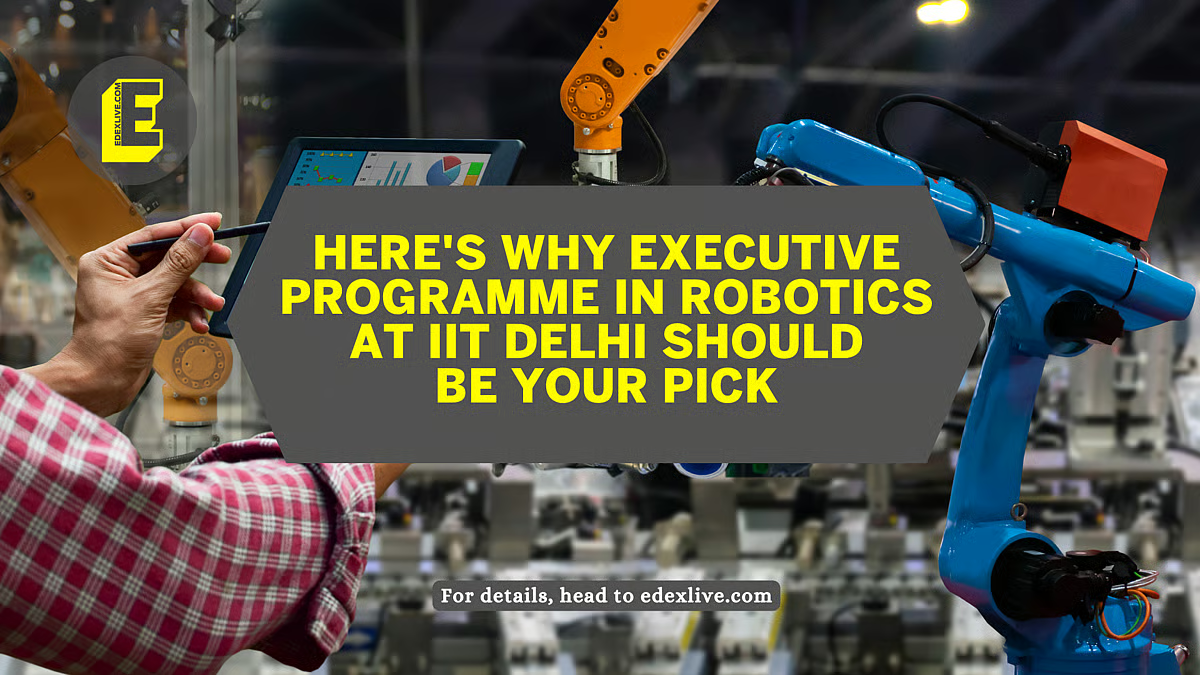
On one side, IIT Delhi’s Executive Programme in Robotics signals a deliberate push to build robotics capability beyond traditional full-time degrees—aimed at working professionals who want practical, industry-aligned skills. www.ndtv.com+2Hindustan Times+2
On the other side, wearable neurostimulation solutions—often discussed online with dramatic headlines like “helps paralyzed users walk”—are forcing a more nuanced conversation: what can these suits actually do today, who are they for, and what does the evidence say? Much of what’s commercially described is about spasticity, muscle tone, and mobility support, not instant cures for complete paralysis. Ottobock+2NICE+2
Put together, these stories sketch a near-future where robotics isn’t only factory automation—it’s also rehabilitation, assistive wearables, and human-centered design. And it raises a powerful question: Are we training enough people to build this future responsibly?
Part 1: IIT Delhi’s Robotics Programme—why it matters now
A skills gap is forming faster than degrees can fill it
Robotics is no longer a niche domain limited to automotive arms behind safety cages. Today’s robotics industry blends:
-
mechanical design and mechatronics
-
embedded systems
-
sensing and perception
-
control systems
-
AI/ML for autonomy
-
safety, reliability, and ethics
Industry demand for this mix is rising fast, and institutions are responding by creating programs that are shorter, applied, and designed for professionals. IIT Delhi’s Executive Programme in Robotics fits this trend—positioning robotics as a “career capability,” not just an academic specialization. www.ndtv.com+2Hindustan Times+2
What IIT Delhi launched
Multiple outlets reported IIT Delhi launching (or opening new intakes for) an Executive Programme in Robotics in early January 2025, describing it as a structured program intended to bridge robotics skill gaps and support emerging tech leadership. www.ndtv.com+2Hindustan Times+2
The official programme listing describes a 5-month duration, aligning with the “executive upskilling” format rather than a long multi-year pathway. CEPQIP IIT Delhi+1
A practical tilt: building, not just studying
A standout element reported across programme pages and education coverage is hands-on work with commonly used prototyping and robotics tools—examples include CAD workflows, electronics platforms like Arduino/Raspberry Pi, and robotics software stacks used in industry contexts. TimesPro+2Hindustan Times+2
Why that matters: robotics is one of those fields where your understanding is incomplete until you’ve built something that:
-
senses the world correctly
-
moves without oscillation or drift
-
survives edge cases
-
fails safely
Programs that emphasize “build a system end-to-end” produce professionals who can contribute faster in real teams.
IIT Delhi’s broader robotics direction isn’t new
This executive programme also sits alongside IIT Delhi’s broader robotics ecosystem. For example, IIT Delhi previously launched an interdisciplinary M.Tech programme in Robotics (March 2023) with multiple specializations, including medical/rehabilitation robotics—showing the institute has been laying foundations for a while. home.iitd.ac.in
Part 2: “MolySuit” neurostimulation and paralysis—what’s likely being referenced
First: “MolySuit” vs “Mollii Suit”
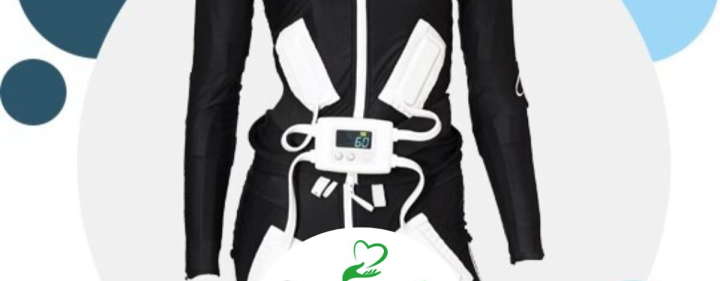
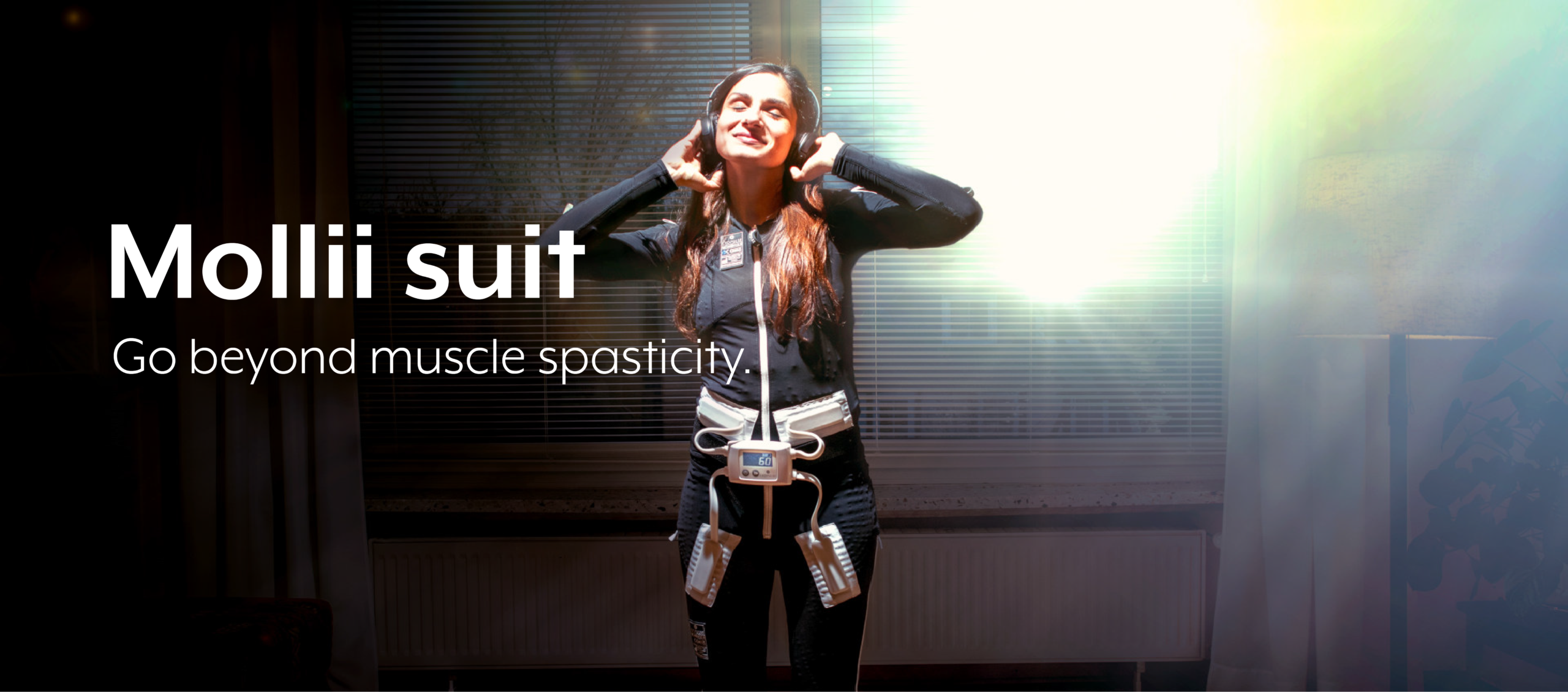
When people say “MolySuit” in social posts, they often mean the (Exopulse) Mollii Suit, a commercially available wearable system that uses near full-body electrical stimulation (via many integrated electrodes) aimed at improving movement comfort and function, especially for spasticity-related conditions. Ottobock+2NICE+2
In other words: it’s not a powered exoskeleton that “walks you.” It’s closer to a therapy garment delivering neurostimulation patterns.
What the Exopulse Mollii Suit is designed to do
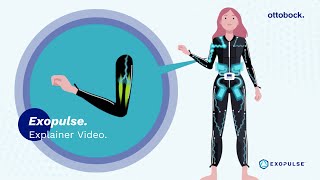
Ottobock’s product description frames it as a drug-free, non-invasive wearable neurostimulation approach intended to help people with spasticity—where muscles are tight, overactive, or difficult to control due to neurological injury or disease. Ottobock+1
Key points commonly described:
-
The garment includes many electrodes distributed across jacket and pants (Ottobock describes 58). Ottobock+1
-
It delivers mild electrical signals intended to influence muscle activation patterns and reduce problematic tone, supporting freer movement. Ottobock+1
-
It is typically positioned as something used alongside physiotherapy/exercise, not as a replacement. Ottobock+1
Does it “help paralyzed users walk”?
This is where precision matters.
What’s realistic
Wearable neurostimulation garments may help some users:
-
reduce spasticity or muscle tightness
-
improve range of motion or comfort
-
improve balance or movement efficiency
-
make therapy sessions more productive by “priming” the body Hobbs Rehabilitation+2The Mollii Suit | Remotion+2
For certain people with incomplete spinal cord injury or neurological conditions where some motor pathways remain, improvements in gait quality or ease of movement can be possible outcomes—depending on the person and protocol. Orthotics Plus Melbourne+1
What’s often exaggerated online
“Paralyzed” is an umbrella word. A person with complete paralysis (no motor function below injury level) is very different from someone with partial function, spasticity, or limited but present motor control.
Importantly, evidence is mixed and condition-specific. For example, a peer-reviewed study reported that a 60-minute session with the suit did not reduce spasticity consistently in chronic phase participants—highlighting that results are not guaranteed and may vary widely. PMC
There are also newer studies and case reports exploring short-term effects in conditions like MS (multiple sclerosis), balance outcomes, and individual responses—useful signals, but not the same as “this makes paralyzed people walk again.” PMC+1
The safest, most accurate framing
A more accurate public claim would be:
Wearable neurostimulation suits like the Exopulse Mollii are designed to help manage spasticity and support mobility and therapy in some neurological conditions; outcomes vary and they are not a universal “paralysis cure.”
That’s still exciting—just grounded.
Part 3: Why these two stories connect (and why India should care)
Robotics is moving from “industrial” to “human”
Traditionally, many robotics curricula start with industrial automation: kinematics, motion planning, control, sensors, and safety in structured environments.
But the fastest-growing frontier is arguably human-centered robotics, including:
-
assistive wearable devices
-
rehabilitation robotics
-
soft robotics
-
healthcare automation
-
home mobility support systems
IIT Delhi’s robotics education ecosystem already explicitly acknowledges areas like rehabilitation/medical robotics at the programme level—making the bridge from “robots that build cars” to “robots that restore function” feel very real. home.iitd.ac.in
Assistive tech needs more than hardware talent
If you build in healthcare and human mobility, you must also understand:
-
clinical workflows
-
safety and risk management
-
user comfort and adherence
-
calibration and personalization
-
data privacy and device governance
That is where executive education can matter: it can bring mid-career engineers, product managers, and founders into robotics with a more applied lens—exactly the kind of talent pipeline a health-tech wearables market needs. www.ndtv.com+1
Part 4: The practical takeaway—what learners and builders should do next
If you’re considering IIT Delhi’s robotics programme
Think in outcomes, not course names. By the end, you want evidence that you can:
-
design a robotic subsystem (actuation + sensing)
-
program closed-loop behavior (control + embedded)
-
integrate autonomy (perception + planning)
-
prototype quickly (CAD + electronics + software stack)
-
demonstrate a working project and explain trade-offs TimesPro+2Shiksha+2
Also: if your long-term interest is healthcare robotics or assistive wearables, steer your project choices toward:
-
sensing for gait/posture
-
safety constraints and fail-safe design
-
wearable-friendly ergonomics
-
basic biomechanics and movement measurement
If you’re evaluating neurostimulation wearables for mobility support
Whether you’re a caregiver, clinician, or founder, use a three-part filter:
-
Indication fit
Is it intended for spasticity/motor impairment populations relevant to the user (stroke, CP, MS, spinal cord injury, etc.)? NICE+2Orthotics Plus Melbourne+2 -
Evidence quality
Look for published studies, guidance briefs, and trial registrations—while noting that results can be mixed and sometimes inconsistent. PMC+2NICE+2 -
Integration into therapy
The most credible descriptions position the suit as complementary to physiotherapy/exercise—not magic. Ottobock+1
FAQ
1) What exactly did IIT Delhi launch?
Reports in January 2025 describe IIT Delhi launching (and opening admissions/intakes for) an Executive Programme in Robotics, positioned as a professional upskilling pathway. www.ndtv.com+2Hindustan Times+2
2) How long is the IIT Delhi Executive Programme in Robotics?
The official programme listing describes a 5-month duration. CEPQIP IIT Delhi+1
3) Is “MolySuit” a powered exoskeleton?
In most contexts, the viral “mobility suit” people mean is the (Exopulse) Mollii Suit, which is a wearable neurostimulation garment, not a powered robotic exoskeleton. Ottobock+2NICE+2
4) Can the Mollii Suit make a fully paralyzed person walk again?
Online claims often overreach. The suit is primarily described for spasticity and mobility support, and research shows variable outcomes; some studies report inconsistent spasticity reduction. It should be framed as assistive/therapeutic support, not a universal cure. Ottobock+2PMC+2
5) Why is robotics education relevant to neurorehabilitation wearables?
Because these devices require embedded systems, sensing, control, personalization, safety, and user-centered design—core robotics skills applied to human mobility and health.
Conclusion: build talent, build truth
IIT Delhi’s robotics programme is a signal that India is investing in the workforce needed for automation and intelligent systems. www.ndtv.com+1
Meanwhile, neurostimulation wearables like the Exopulse Mollii Suit show that “robotics-adjacent” tech is also becoming personal, wearable, and clinically meaningful—though it must be discussed responsibly, with evidence-based claims rather than viral shortcuts. Ottobock+2NICE+2
For quick updates, follow our whatsapp –https://whatsapp.com/channel/0029VbAabEC11ulGy0ZwRi3j
https://bitsofall.com/xiaomi-open-source-mimo-v2-flash-inference-first-moe-model/
MBZUAI Researchers Introduce PAN — A General World Model for Interactable, Long-Horizon Simulation

Коллеги, кто пользуется Telegram ботами для автопродаж в даркнет магазинах? Интересно узнать ваше мнение.
Плюсы, которые я вижу:
– Быстрое оформление заказа
– Моментальные уведомления о статусе
– Круглосуточная поддержка
– Автоматизация процесса
Но есть и риски:
– Нужно проверять, что бот официальный
– Риск попасть на мошеннический бот
– Важно использовать только проверенные источники
На rc24.pro есть каталог официальных ботов от различных магазинов – LoveShop, Chemical, LineShop и других. Там можно найти актуальные username ботов и проверить их статус. Это помогает не нарваться на фейковые боты.
Кто-то может поделиться опытом работы с такими ботами? Какие магазины предлагают автопродажи через Telegram?