AI Ethics and Regulation: Building Trust in an Intelligent Future
Introduction: Why AI Ethics and Regulation Matter
Artificial Intelligence (AI) is no longer a futuristic concept—it’s here, embedded in daily life. From facial recognition in smartphones to AI-driven hiring tools, the technology is advancing at lightning speed. But with great power comes great responsibility. As AI systems grow more capable, questions about ethics, fairness, transparency, and accountability have taken center stage.
Without proper ethical frameworks and regulatory guidelines, AI risks amplifying bias, invading privacy, and making decisions that could harm individuals or society at large. This is where AI ethics and AI regulation step in—not to slow innovation, but to make sure it works for everyone.
1. Understanding AI Ethics
AI ethics is the branch of applied ethics focused on ensuring artificial intelligence operates in a fair, transparent, and accountable manner. It seeks to answer questions like:
-
Should AI make life-altering decisions for humans?
-
How can we ensure AI doesn’t perpetuate discrimination?
-
What’s the right balance between automation and human control?
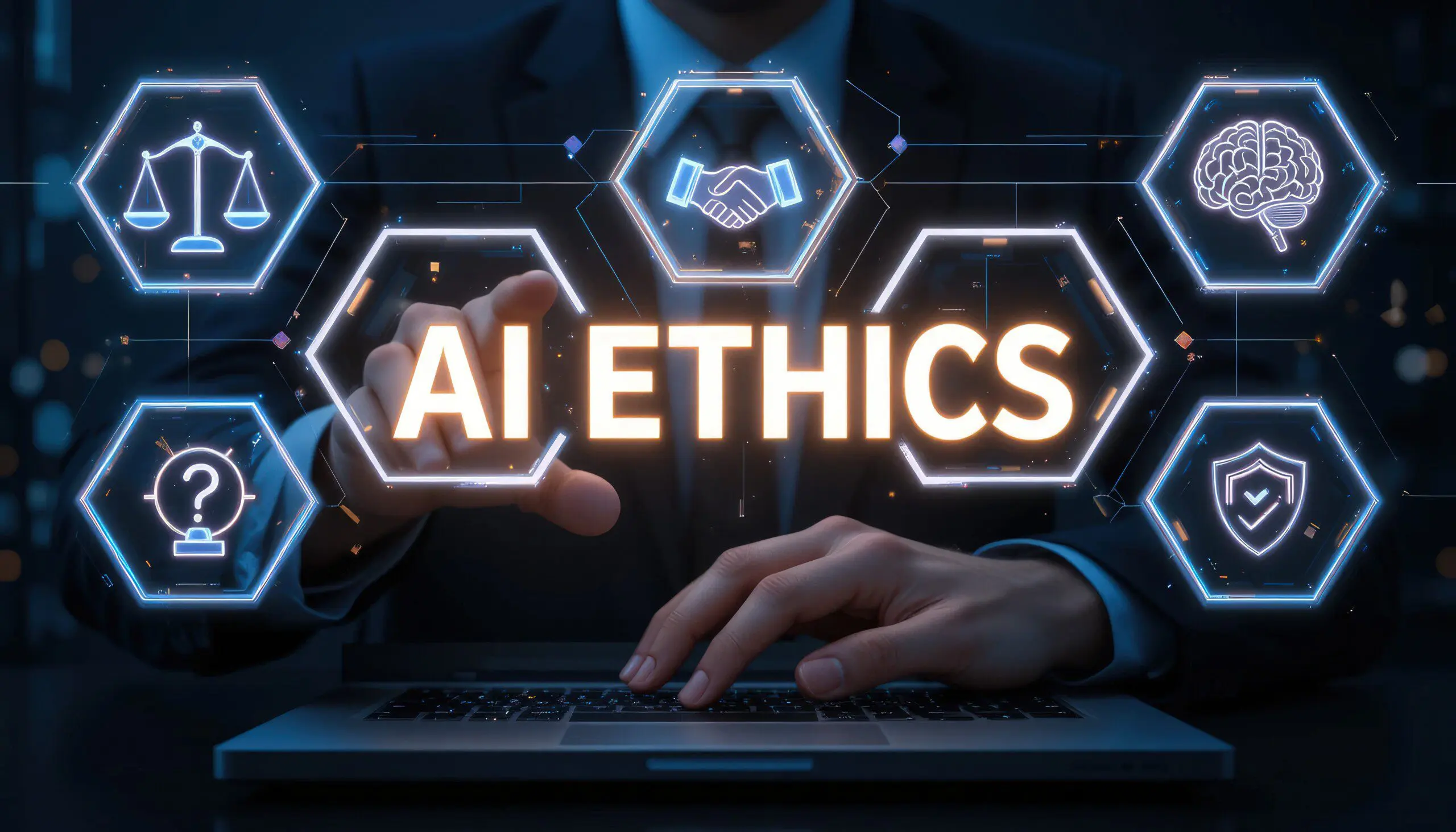
Core Principles of AI Ethics
-
Transparency – AI systems should be understandable, with clear explanations of how they make decisions.
-
Fairness & Non-Discrimination – AI must not perpetuate or worsen bias against any group.
-
Accountability – There must be a way to hold developers, companies, and governments responsible for AI outcomes.
-
Privacy Protection – AI should safeguard personal data and respect users’ rights.
-
Safety & Security – AI should be robust against errors, hacking, and misuse.
2. The Growing Need for AI Regulation
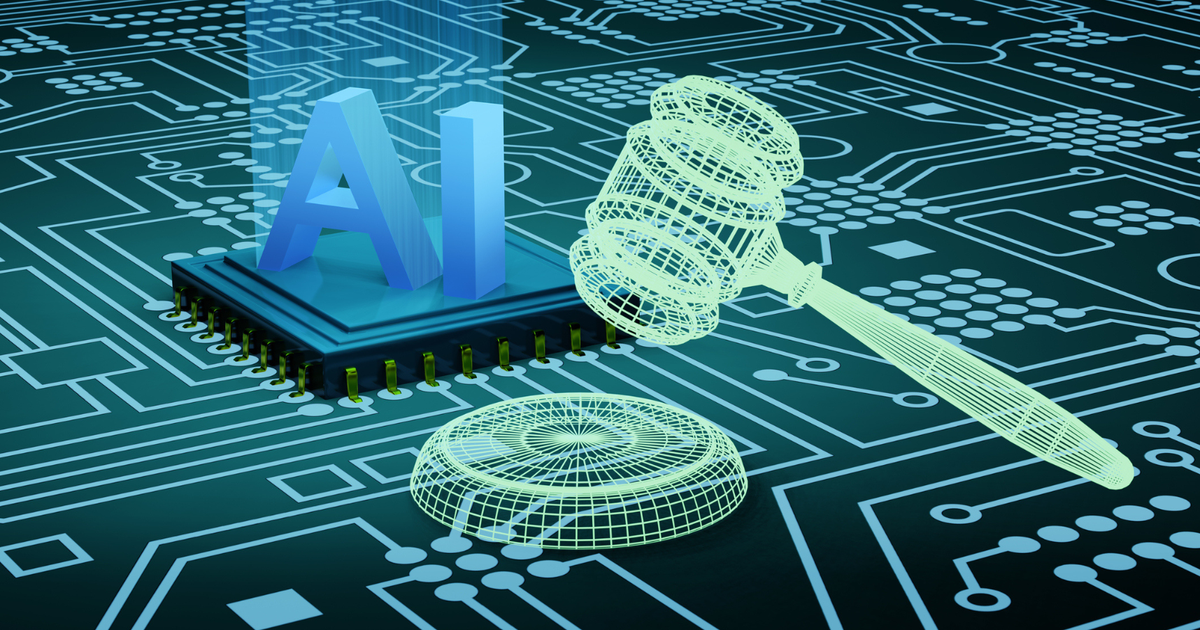
AI regulation refers to laws, policies, and guidelines that govern the design, deployment, and usage of AI systems. Unlike ethics—which are moral guidelines—regulation involves legally binding rules.
Without regulation, companies may prioritize speed and profit over responsibility, leading to:
-
Algorithmic bias in hiring, lending, or policing.
-
Invasion of privacy through facial recognition and surveillance.
-
Autonomous weapon misuse in military applications.
-
Misinformation spread by AI-generated deepfakes.
3. Current Global Approaches to AI Regulation
Governments worldwide are developing AI laws to balance innovation with protection.
European Union (EU) – The AI Act
The EU is leading the charge with its AI Act, which categorizes AI systems into risk levels (unacceptable, high, limited, minimal). For example:
-
Unacceptable risk: Social scoring systems like those used in China.
-
High risk: AI in healthcare, law enforcement, or transportation—requires strict compliance.
United States
The U.S. has no comprehensive federal AI law yet, but it follows a sector-based approach:
-
NIST AI Risk Management Framework for safe AI design.
-
Executive Orders encouraging AI transparency and security.
China
China’s AI regulation focuses on national security and social stability:
-
Strict rules on recommendation algorithms.
-
Ban on AI-generated content without watermarks.
India
India is currently preparing an AI framework that balances innovation with ethical safeguards, focusing on:
-
Data protection.
-
Responsible AI use in public services.
4. Challenges in AI Ethics and Regulation
While the idea of ethical AI is appealing, implementation faces several roadblocks:
A. Defining Fairness
Fairness means different things in different contexts. For example, in hiring, should AI treat everyone equally, or should it account for systemic disadvantages?
B. Keeping Up with Rapid AI Development
Technology evolves faster than laws. By the time regulations are in place, AI capabilities may have already advanced.
C. Global Consensus
AI is global, but regulations are national. Conflicting laws across countries could create compliance headaches for developers.
D. Balancing Innovation and Control
Too much regulation may slow innovation, while too little risks public harm. Finding the balance is tricky.
5. Real-World Ethical Issues in AI
AI’s ethical risks are not hypothetical—they’re happening now.
Bias in AI Hiring
Recruitment AI tools have been found to favor male candidates due to biased training data.
Facial Recognition Surveillance
Government use of AI-powered cameras has raised concerns about mass surveillance and racial profiling.
Deepfake Misinformation
AI-generated videos can create false narratives, posing threats to democracy and personal reputations.
6. Strategies for Ethical AI Development
Ethics and regulation should not be afterthoughts—they must be embedded in AI development from the start.
-
Ethics by Design – Incorporating fairness, transparency, and privacy into AI systems from the development phase.
-
Bias Audits – Regularly testing AI models for discrimination.
-
Human-in-the-Loop – Keeping humans involved in critical AI decisions.
-
Explainable AI (XAI) – Making AI decision-making processes interpretable to non-technical users.
-
Open AI Policies – Publishing AI algorithms and datasets for public scrutiny (where possible).
7. Role of Businesses in AI Regulation
Corporations cannot wait for governments to impose laws—they must self-regulate.
-
Adopt internal AI ethics boards.
-
Publish AI transparency reports.
-
Collaborate with regulators to set industry standards.
8. The Future of AI Ethics and Regulation
Looking ahead, AI regulation will likely:
-
Shift from reactive to proactive frameworks.
-
Include AI-specific certifications for ethical compliance.
-
Integrate AI literacy programs so the public understands how AI works.
-
Involve international coalitions to ensure uniform global standards.
As AI becomes more embedded in decision-making, trust will be the ultimate currency. Without trust, even the most advanced AI won’t gain public acceptance.
Conclusion
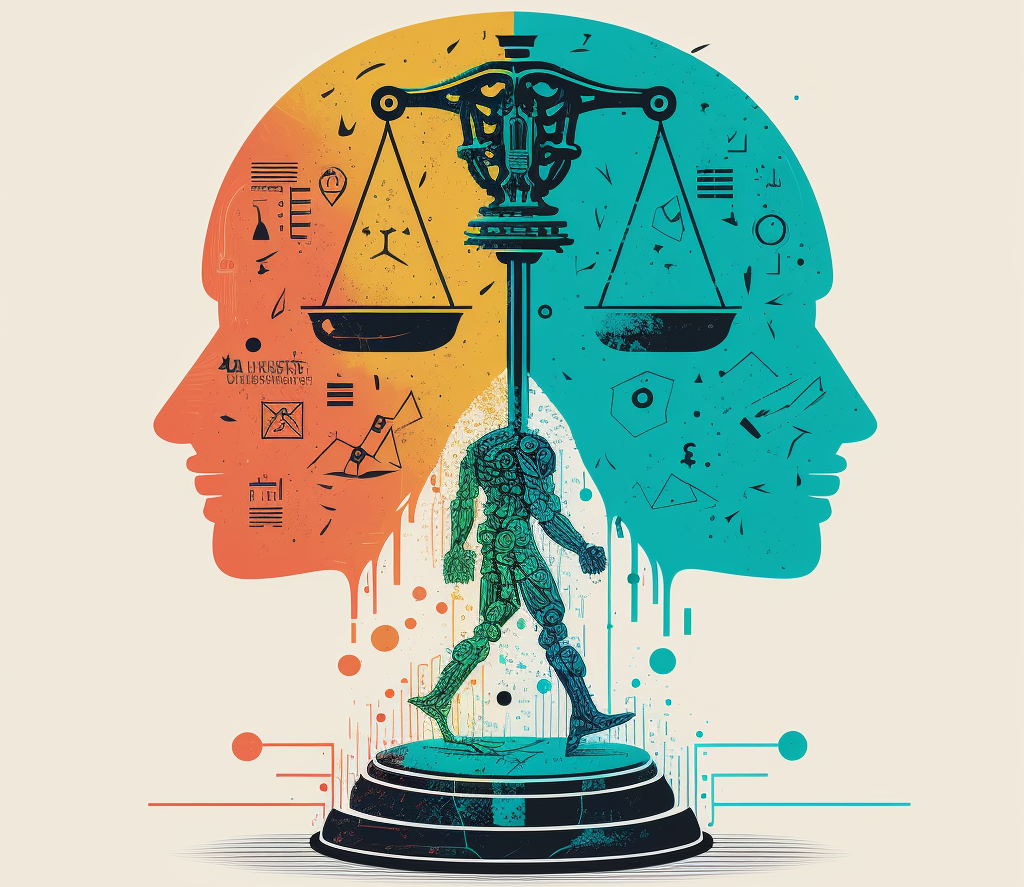
AI ethics and regulation are not about restricting innovation—they’re about building safe, fair, and trustworthy technology that benefits everyone. Governments, businesses, and the AI community must work hand-in-hand to ensure AI serves humanity, not the other way around.
The world stands at a crossroads: we can either let AI evolve without checks or shape it into a force for good. The choice is ours, and the time is now.
https://bitsofall.com/https-yourwebsite-com-top-5-ai-powered-fitness-trackers-2025/